YTC LogoYTC Logo
Cases
AI data analyst for on-demand investment reporting

AI data analyst for on-demand investment reporting

AI data analyst for on-demand investment reporting

A private equity investment platform relied on data analysts to answer routine analytical questions, creating delays in decision-making and reducing time available for high-value work. We developed an AI-powered data analyst that translates business questions into instant insights. The solution enables investment teams to access insights on demand, reduces analyst context switching, and allows analysts to focus on complex analysis while business users make decisions faster

Industry

FinTech

Client

Under NDA

Region

USA

Main challenges

Business Challenge: Limited access to analytical insights slowed decisions

Business users could not access ad-hoc insights independently and had to wait for analysts to answer routine questions.
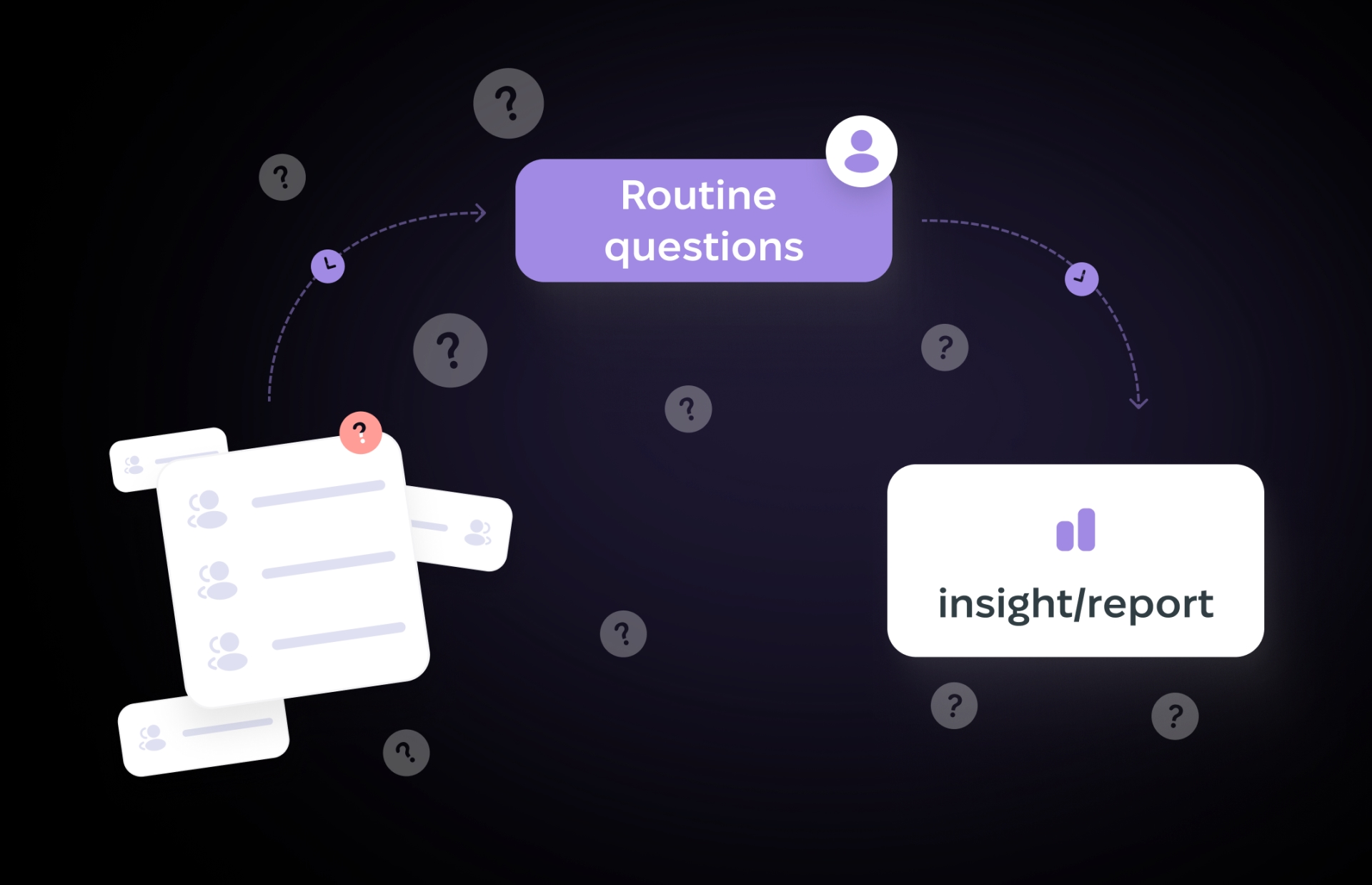
  • Analysts spent time answering routine data questions
  • Business teams waited for analytical insights
  • No self-service access to on-demand reporting
Routine reporting questions moving between analysts and InsightReport

Technical Challenge: Secure SQL generation across complex datasets

The solution required an AI agent capable of generating accurate SQL queries while enforcing strict security controls over database access.
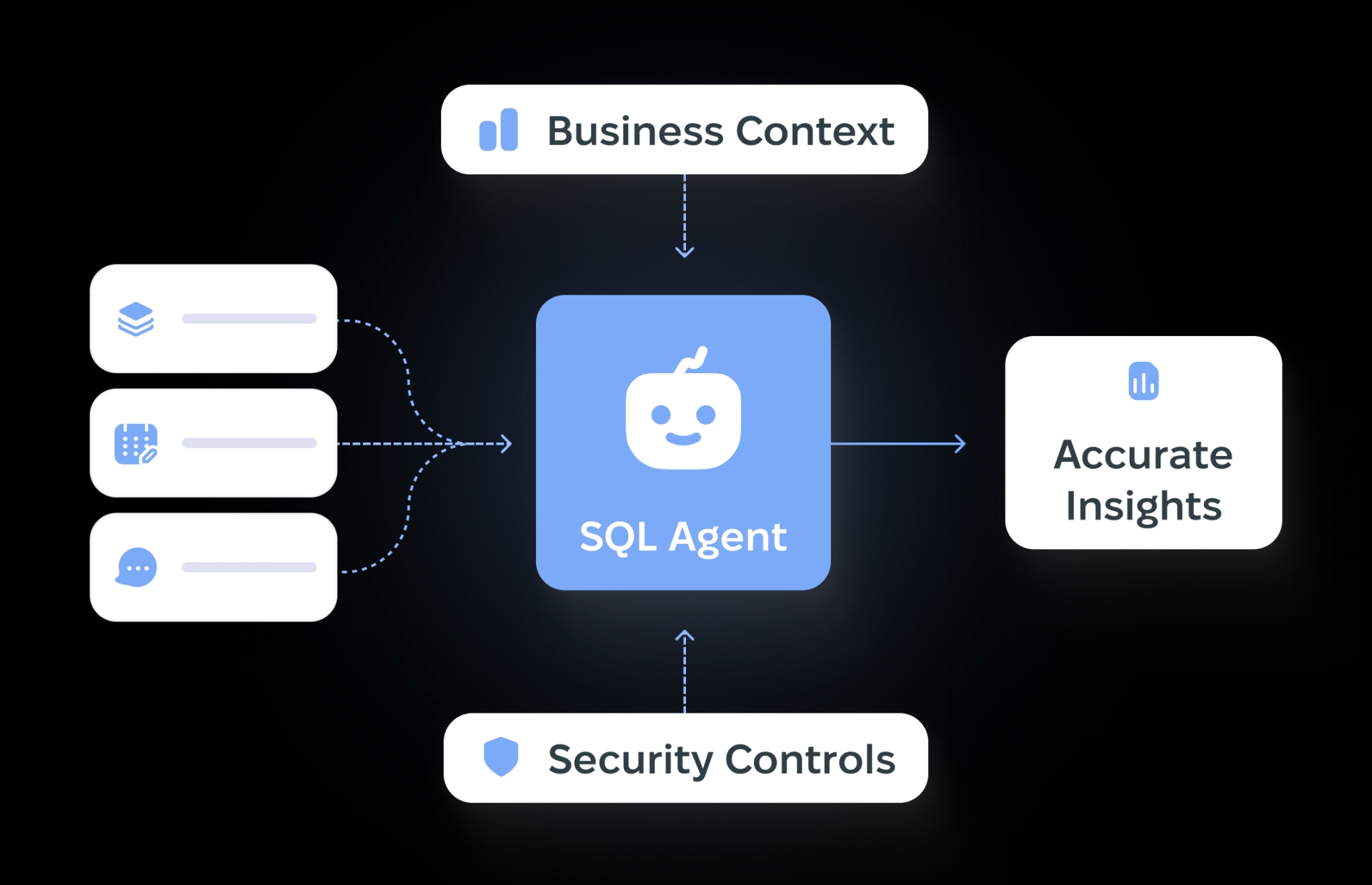
  • Large database tables increased query complexity
  • SQL generation required business-context understanding
  • Security controls were required for database access
SQL agent connected to business context, security controls, and accurate insights

Delivery Challenge: Bringing AI into a production investment workflow

The AI agent needed to operate within an existing platform and reliably handle real business requests without disrupting current workflows.
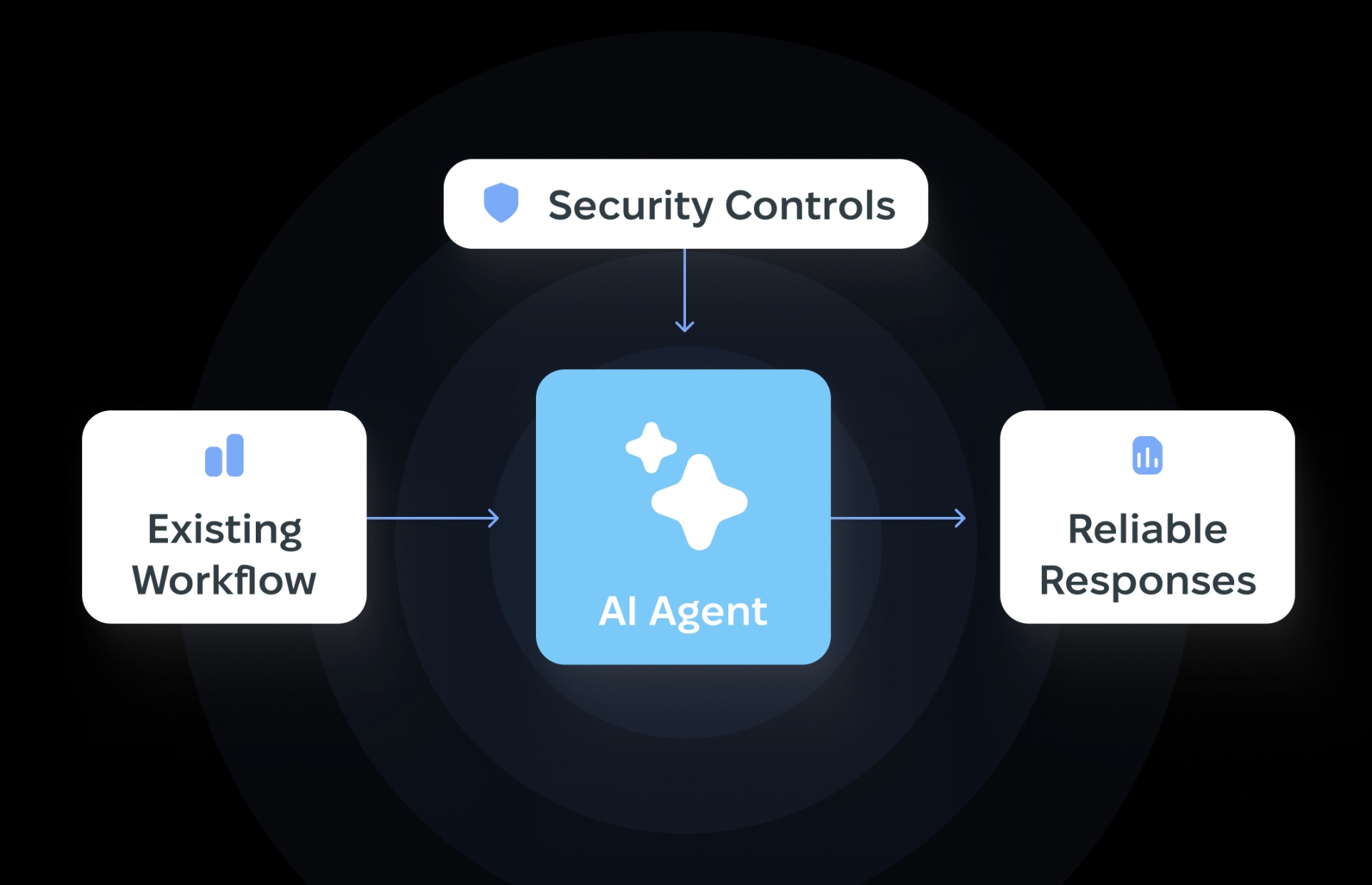
  • Existing workflows could not be disrupted
  • Production use required strong security controls
  • AI responses needed consistent reliability
AI agent integrated into an existing investment workflow with security controls and reliable responses

What we did

We developed an AI-powered data analyst that integrates with the client's existing investment platform. The solution enables users to ask analytical questions in natural language and receive answers without involving the analytics team. A dedicated SQL translation agent converts business requests into database queries while understanding organizational context, workflows, and ownership structures.

To ensure reliability, we implemented a secure read-only access layer and intelligent routing logic. Routine questions are answered automatically, while complex analytical requests are redirected to human analysts. The platform delivers faster access to operational insights while allowing analysts to focus on high-value investment activities and reducing delays in decision-making.

40%

Reduction in analyst distractions from routine requests

10X

Faster answers to simple analytical questions

4H

Saved weekly per analyst on reporting

20%

Faster deal closing through quicker insights

SQL Translation agent

A custom business questions-to-SQL translation layer.
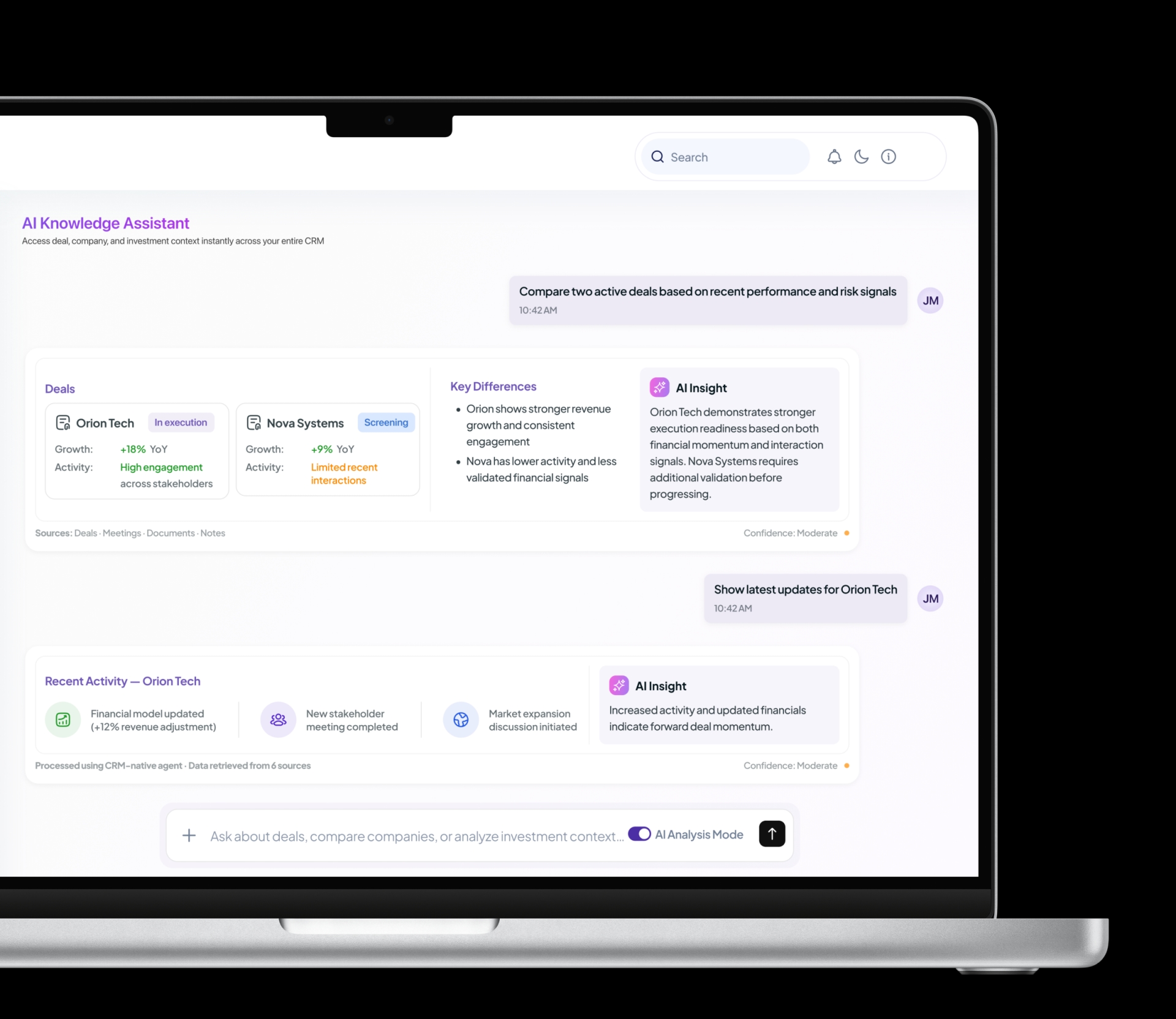
  • Converts natural language questions into SQL automatically
  • Handles queries in business-friendly language
  • Maintains compliance and access control logic
  • Supports on-demand reporting across workflows
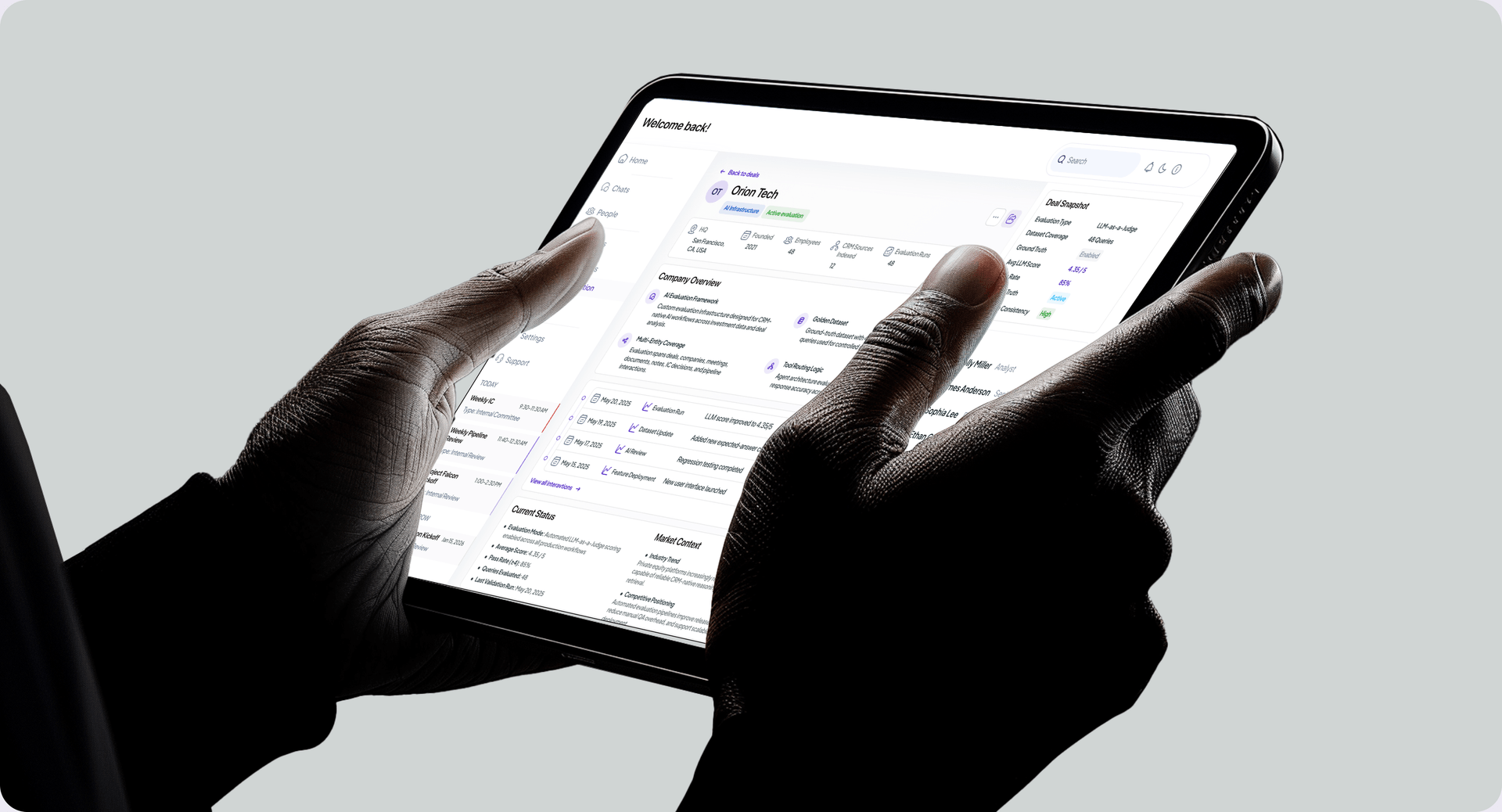
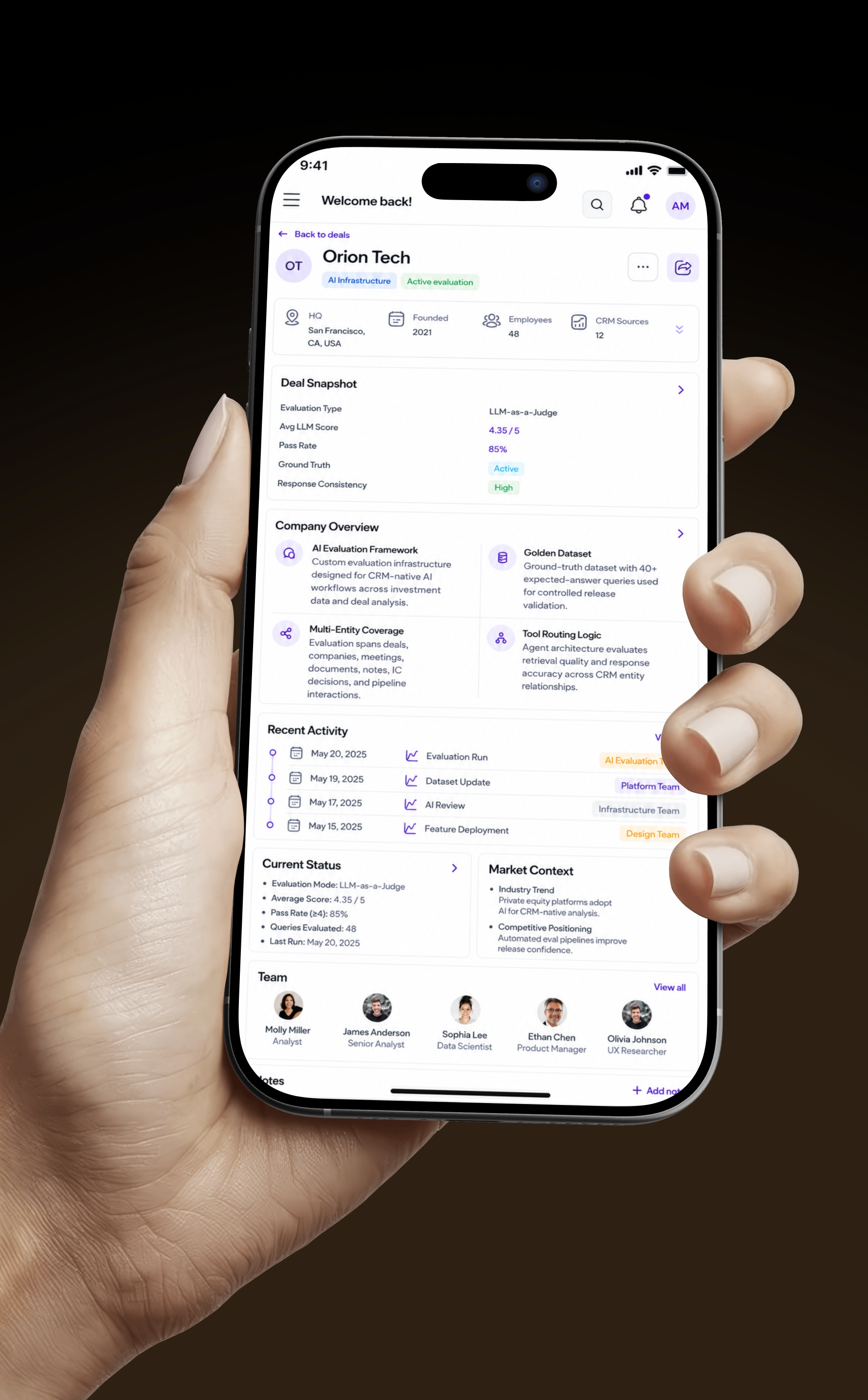
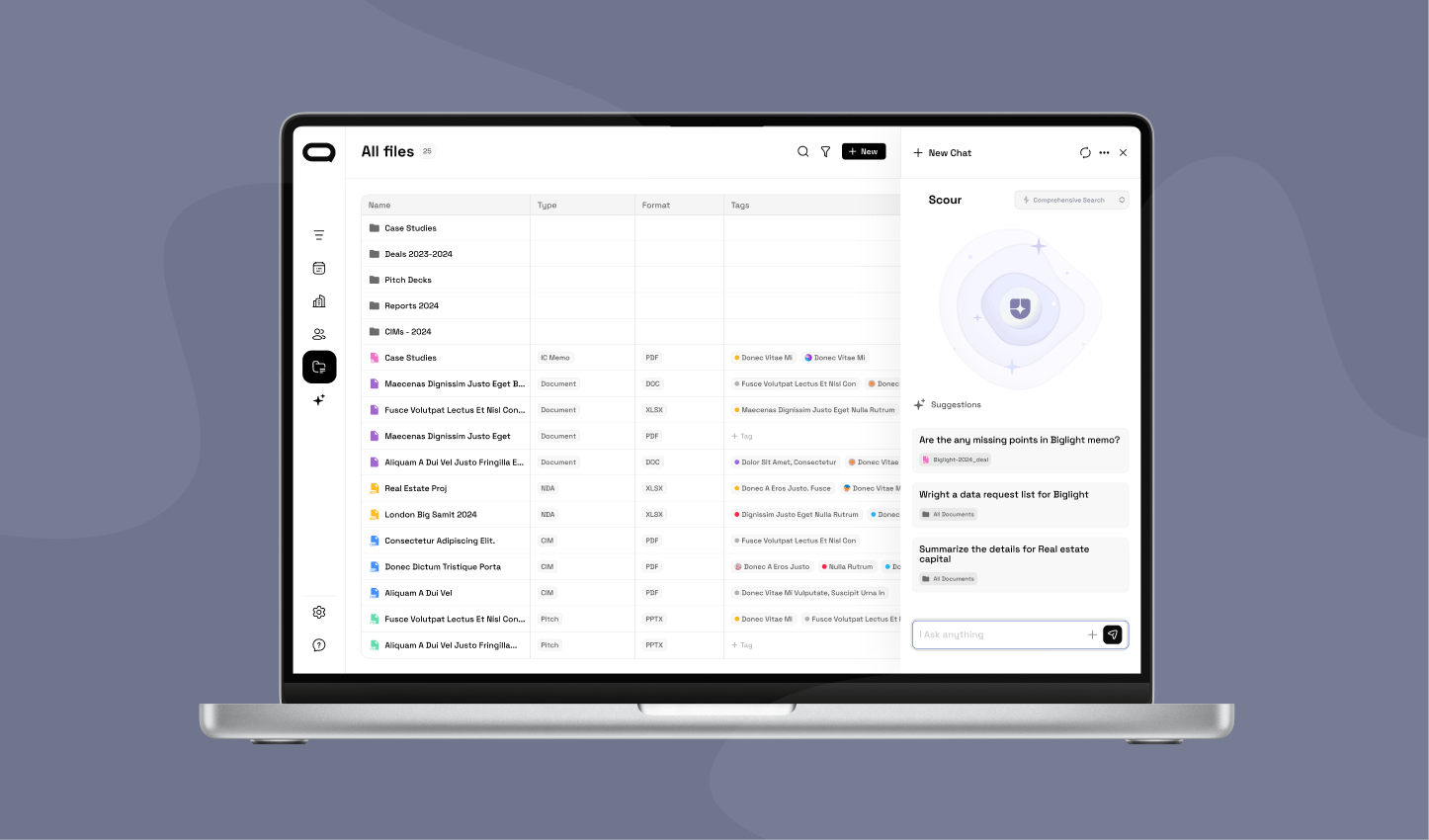
SQL translation agent interface for natural-language investment reporting questions

Context-aware business understanding

A context layer helps the agent understand business intent, ownership rules, and analytical context.
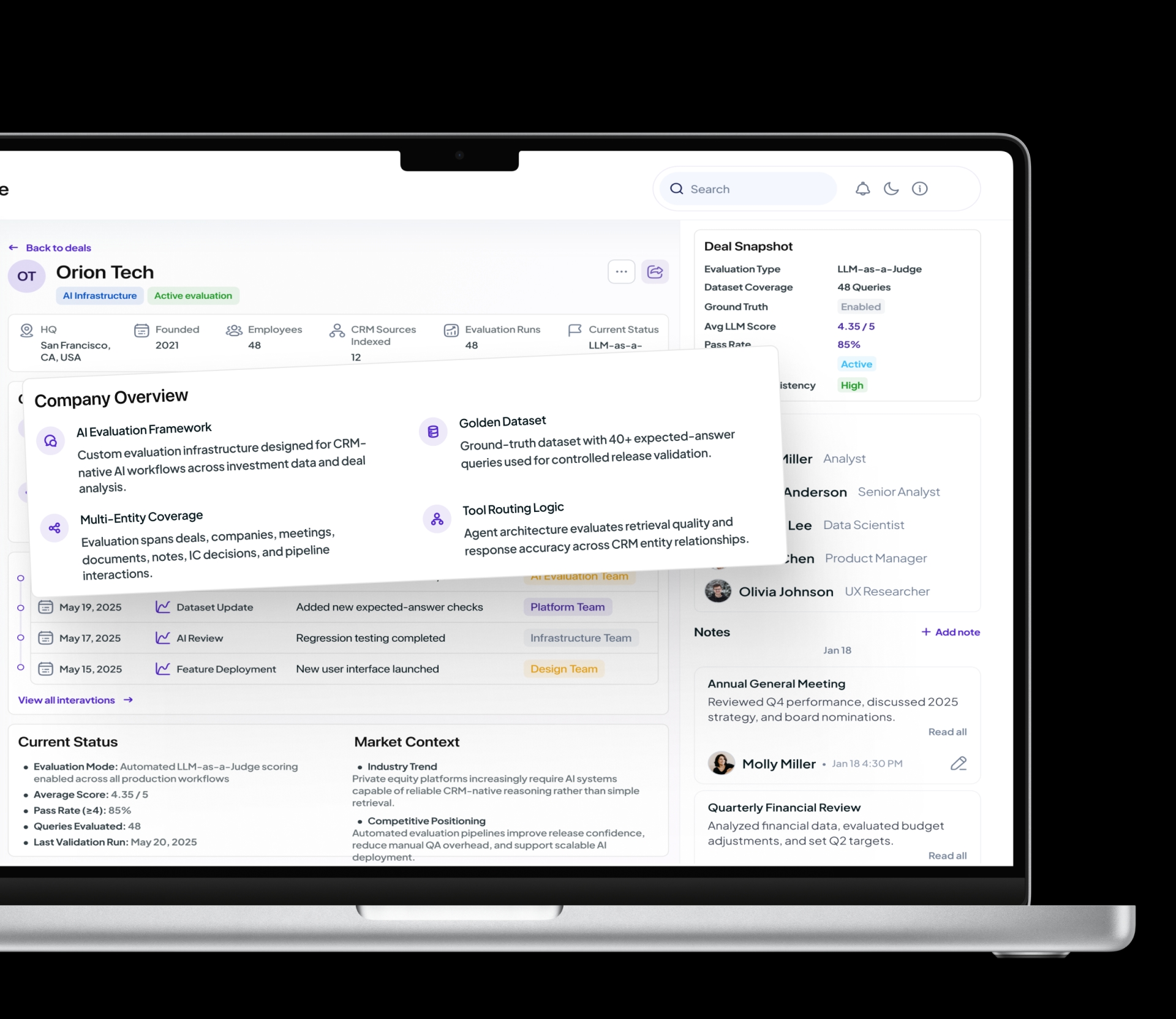
  • Understands business entities and ownership structures
  • Adapts to existing workflows and data models
  • Uses organizational context to improve accuracy
  • Generates more relevant analytical responses
Context-aware business understanding inside the investment reporting platform

Secure data access layer

A secure read-only database access layer protects sensitive business and analytical data.
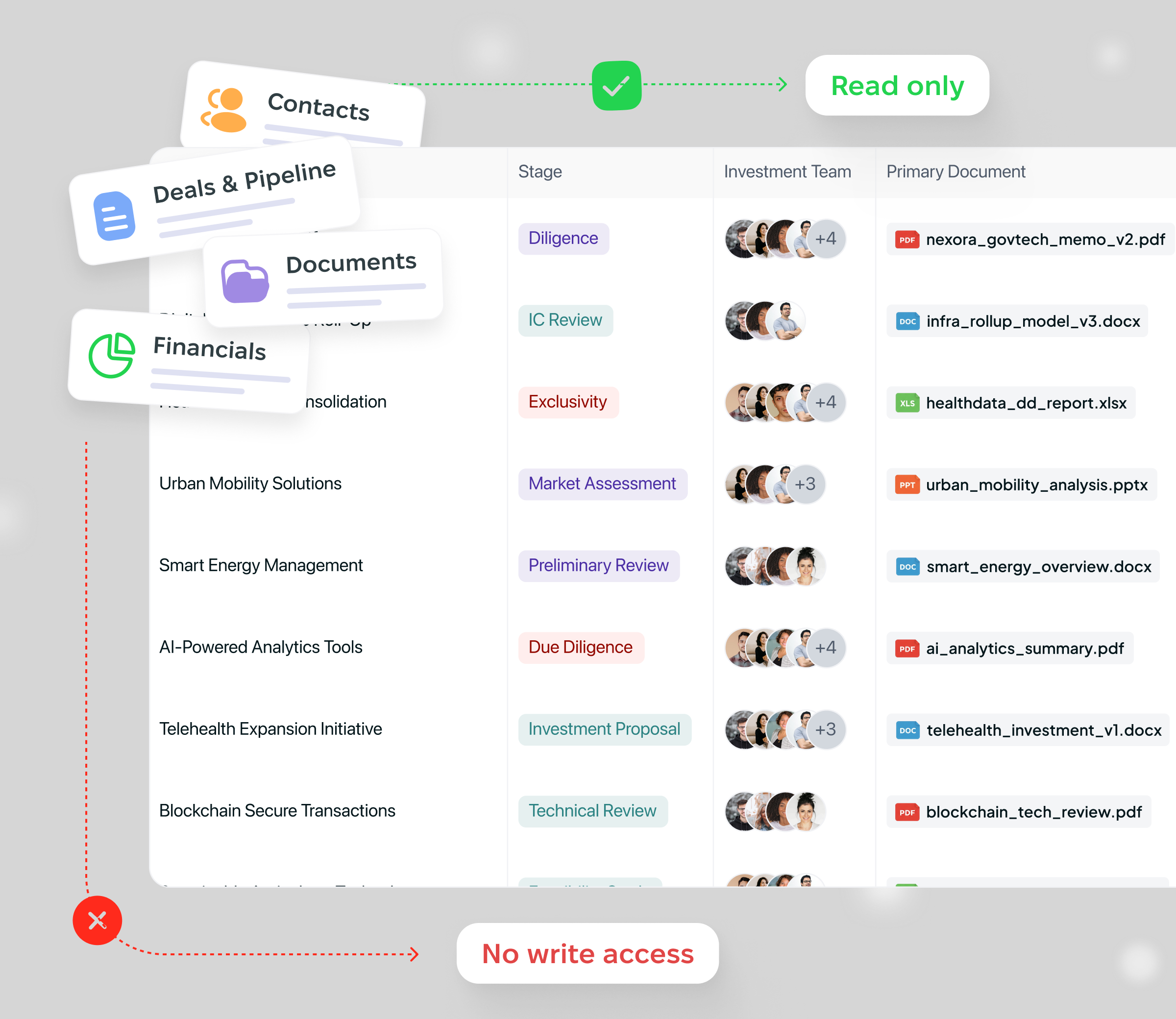
  • Enforces read-only database access controls
  • Prevents unauthorized data modification
  • Restricts queries based on security permissions
  • Protects sensitive investment information
Secure data access layer with business data permissions and controls

Intelligent query routing

A routing layer sends simple questions to the AI agent and escalates complex requests to analysts.
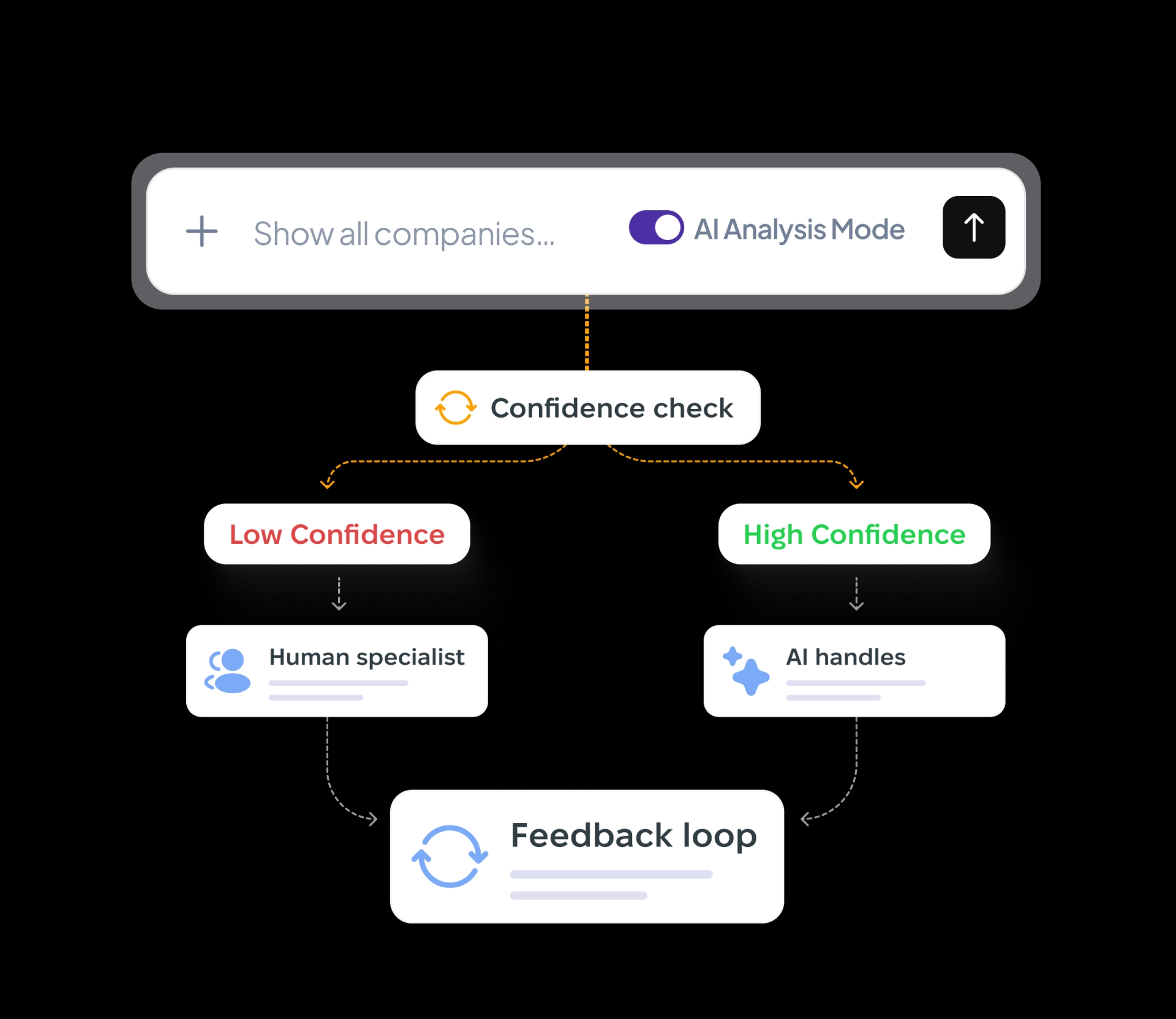
  • Routes routine analytical requests automatically
  • Detects questions beyond AI confidence threshold
  • Escalates complex questions to human specialists
  • Balances automation with expert oversight
Intelligent query routing from user questions to AI answers or analyst escalation

Key results and business value

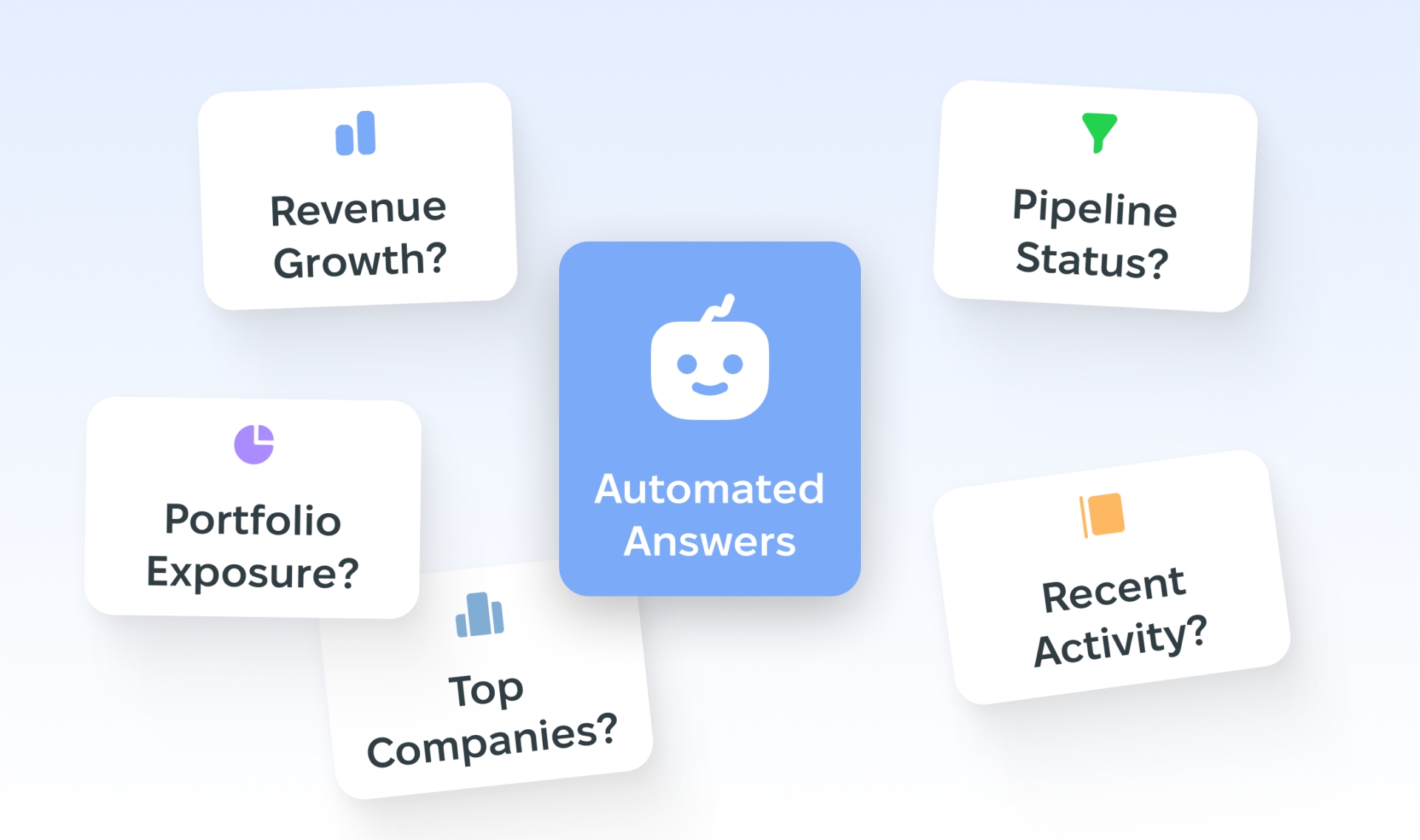
Automated answers for routine investment reporting questions

Routine questions turned into automated responses
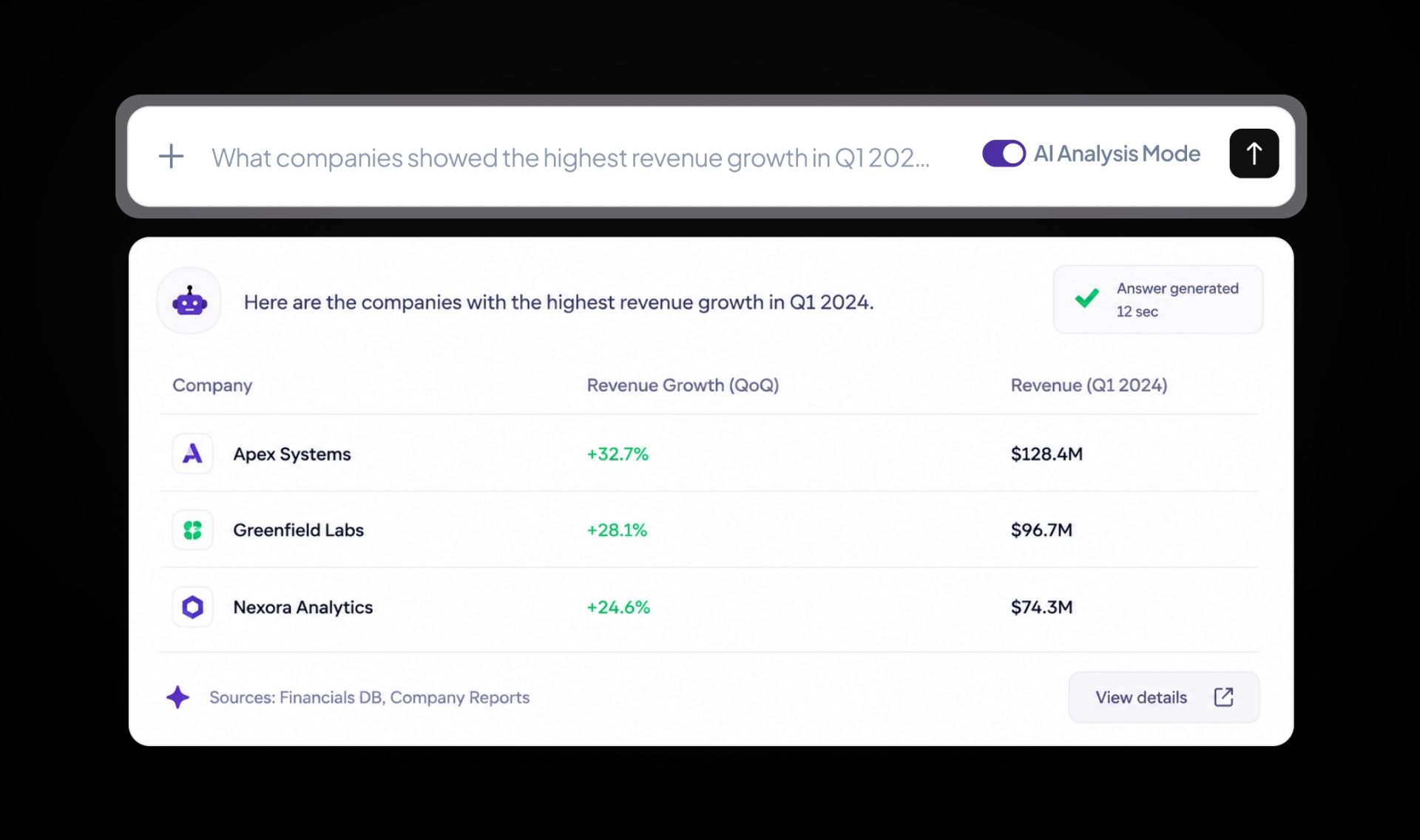
On-demand analytics replacing analyst dependency for business questions

Analyst dependency evolved into on-demand analytics
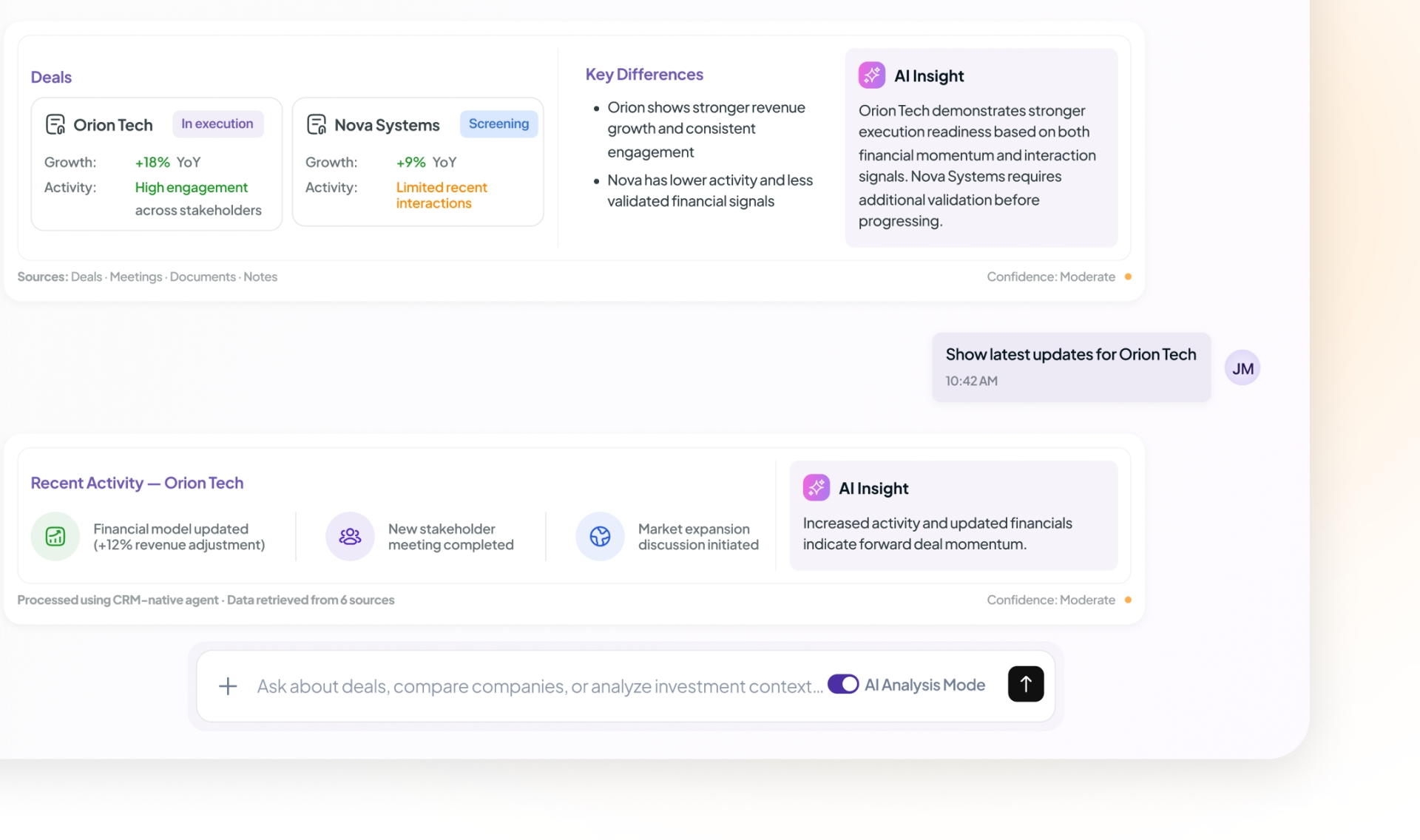
Instant analytical answers inside the investment reporting platform

Delayed insights transformed into instant answers
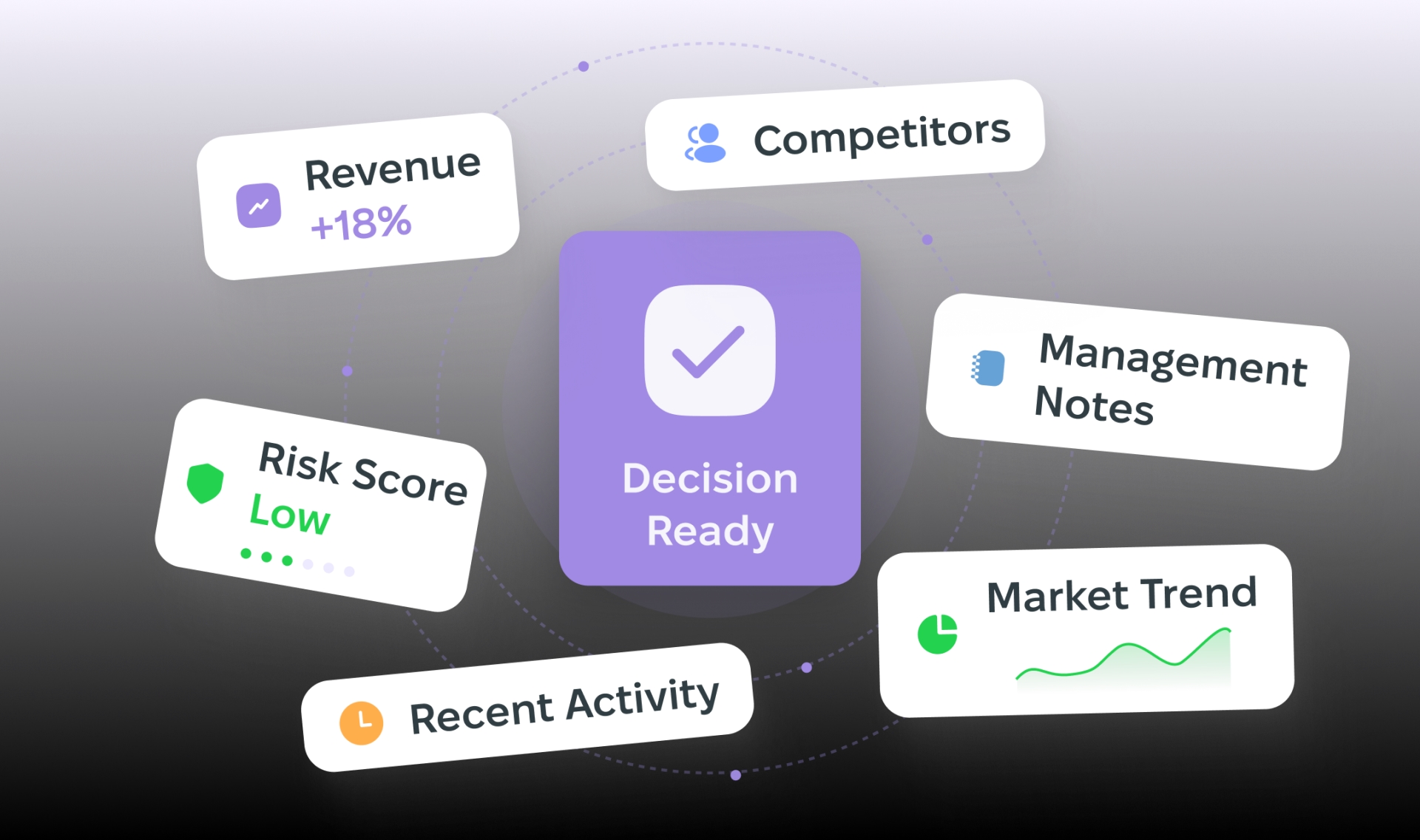
Decision ready insights accelerating investment workflow

Slower deal workflow accelerated into faster decisions
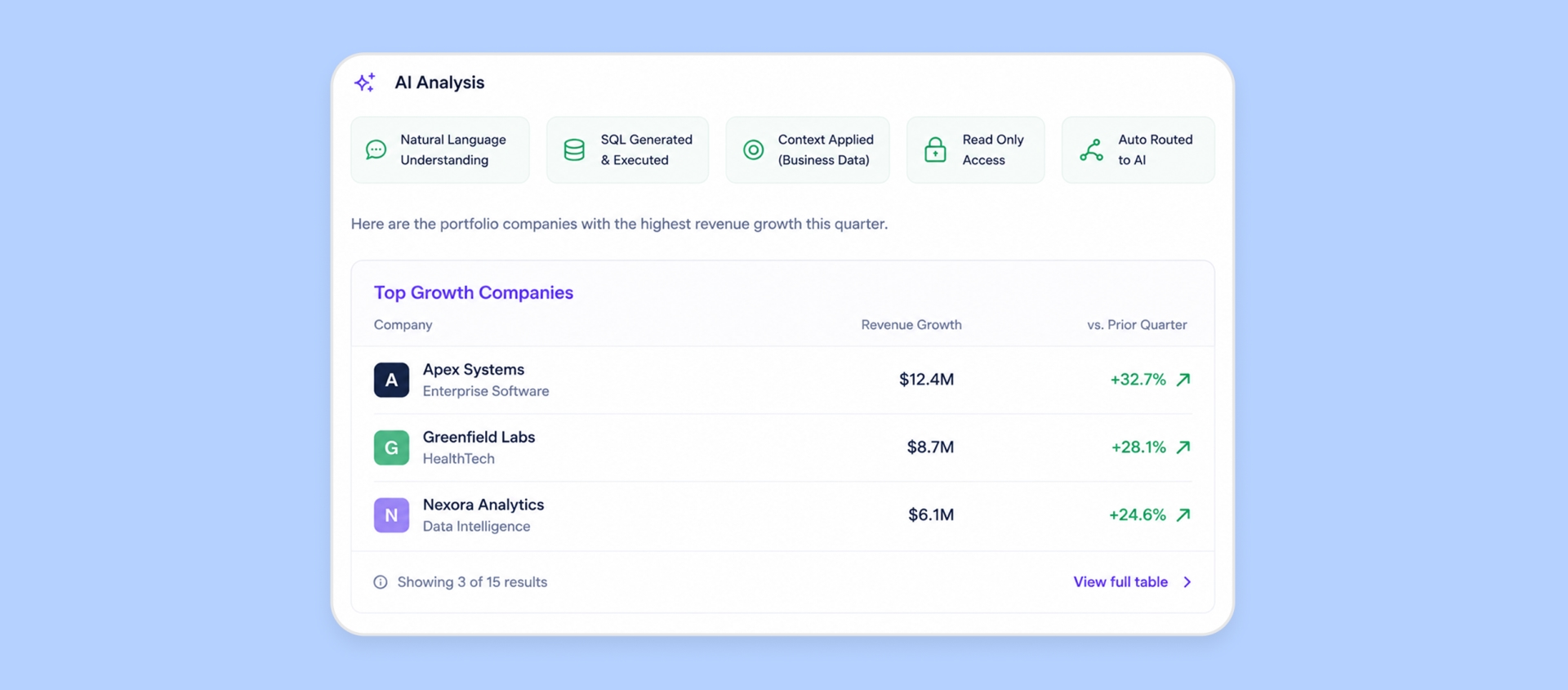
Features Delivered

AI data analyst interpreting investment reporting results

Key capabilities of the AI data analyst:

  • Natural-language analytical question processing
  • Automated SQL generation and execution
  • Context-aware business data interpretation
  • Secure read-only database interaction
  • Intelligent routing between AI and analysts
Python logo for the AI data analyst

Python

Pydantic AI logo for agent validation

Pydantic AI

FastAPI logo for analytical APIs

FastAPI

OpenAI logo for natural-language analysis

OpenAI

Anthropic logo for AI data analysis

Anthropic

Mobile investment reporting interface for analytical question processing

Technical Highlights

Context-aware SQL

Understands business entities, workflows, and ownership structures before generating accurate queries

Secure read layer

Provides read-only database access while preventing data modification and protecting sensitive information

Query classification

Distinguishes routine requests from complex analysis and routes each query to the right workflow

Business query translation

Transforms natural-language questions into reliable SQL based on business context and data structures

Context management

Adapts to evolving entities, workflows, and relationships without requiring complete model retraining

Embedded integration

Integrated into the existing platform without disrupting workflows, users, or business operations

Client Feedback

"The biggest value is that investment teams no longer have to wait for analytical answers. People can ask questions directly and get useful insights in seconds. It allows analysts to focus on more strategic work while business users move faster. The combination of speed, reliability, and security made the solution immediately useful across our workflows"

Chief Technology Officer

Client

Unlock new growth opportunities

Discover how custom software with AI-powered features can help your business move faster, improve workflows, and create new competitive advantages.

Similar solutions we implemented

Related blog posts


Beyond the Hype: What Anthropic’s Economic Index Tells Us About the Real Future of AI in Business
BusinessAINews

Beyond the Hype: What Anthropic’s Economic Index Tells Us About the Real Future of AI in Business

When a company like Anthropic launches an Economic Index that tracks how people use Claude across U.S. states and occupations, it’s not just an academic exercise — it’s a litmus test for the real pace and shape of AI adoption. As of their September 2025 update, the data reveals several striking trends and potential inflection points. If you’re building or choosing AI systems, understanding what this data signals is essential. Here are the highlights and their implications. Key findings from Anthropic’s index From the headline data, a few points stand out: AI usage remains uneven and concentrated. Not every state or region is involved equally. The early adoption is showing up in pockets, particularly where knowledge work dominates. (anthropic.com) Use cases differ by geography. For example, Colorado leans toward “travel and event planning” uses, while Washington, D.C., shows a heavier preference for document editing and career advice. A notable shift in directive automation: over nine months, Claude’s share of fully automated interactions increased from 27 % to 39 % of all conversations. In enterprise settings, that automation rate is reported to be as high as 77 %. These observations suggest a few deeper truths about where AI currently is — and where it’s heading.

How to create a data lake for machine learning
MLAIData lake

How to create a data lake for machine learning

Building a data lake might sound like a task for large tech corporations or data scientists in lab coats. However, in reality, it’s a practical and strategic move for any business seeking to harness the full potential of machine learning. If you're gathering data and considering how to utilize it for informed decisions, automation, or AI-powered services, you need a data lake. At YTC, we help businesses transform their scattered data into structured, accessible, and scalable systems. In this article, we’ll walk you through what a data lake is, why it's essential for machine learning, and how to build one the right way.

Thinking Before Doing: A Smarter Way to Work with AI
EducationAIIndustry news

Thinking Before Doing: A Smarter Way to Work with AI

Artificial intelligence has made enormous progress in reasoning, problem-solving, and automation — but even the most advanced AI systems still rely on how we talk to them. A new study, “LLMs Learn Better When They Think First” (AlphaXiv, 2024), challenges the standard way we structure prompts and proposes a deceptively simple idea: instead of telling AI to “answer first, explain later,” we should encourage it to reason before responding. At first glance, that might sound like semantics. But the paper’s findings reveal a consistent and measurable performance boost when large language models (LLMs) are prompted to explicitly reason through a problem before generating the final answer. This structured approach mirrors how humans think — laying out assumptions, exploring possibilities, and validating reasoning before committing to a conclusion. The traditional workflow in AI interaction often looks like this: