

YTC LogoYTC Logo
Cases
Secured Communication Bot
Secured Communication Bot
Secured  Communication Bot

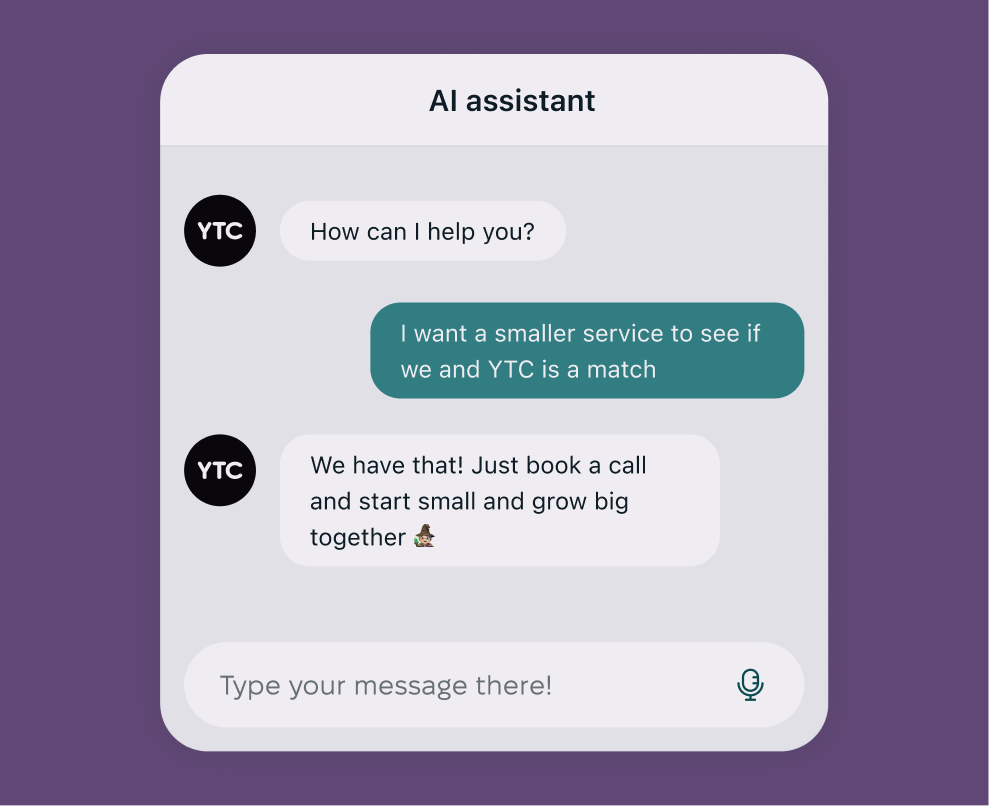
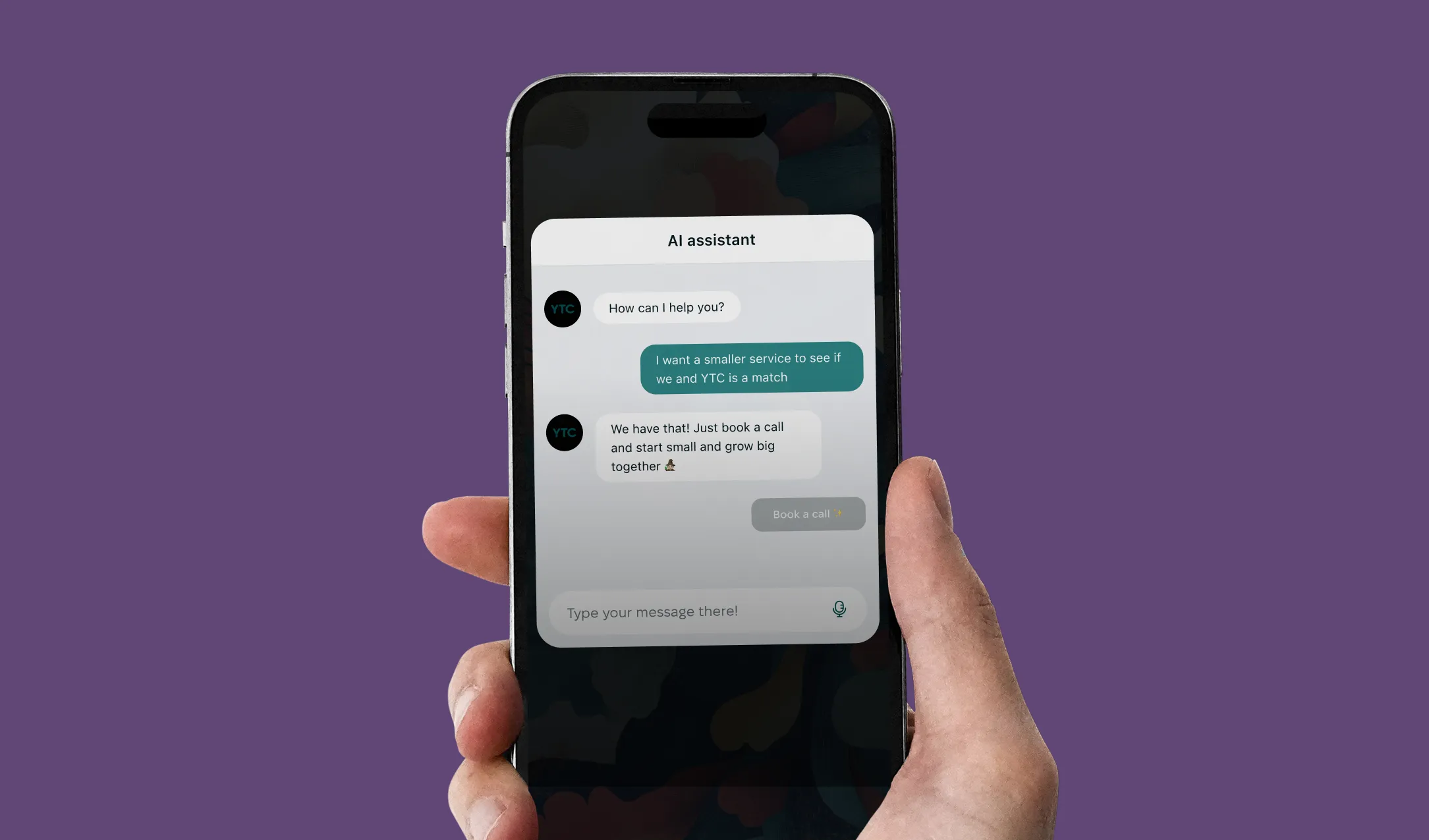
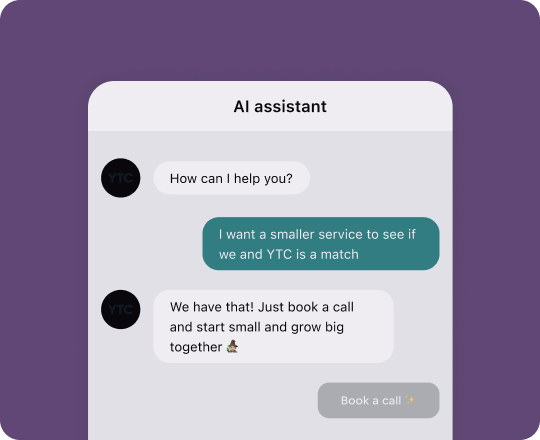
We developed an AI-powered communication bot to address internal and external communication bottlenecks. Using advanced Large Language Models (LLMs), the bot automates workflows, answers queries, detects intents, and streamlines lead generation. This solution enables businesses to operate more efficiently while ensuring data privacy.

Industry

MarTech

Client

Plaibox

Region

Europe

Year

2025

Technologies:

AWS
Azure
PyThorch
Kubernetes

Business Impacts

  • 80% automation of routine communication tasks, reducing time and costs for companies and employees
  • Enhanced client satisfaction through faster and more accurate responses
  • Improved operational efficiency with streamlined internal and external communication workflows

Technical Highlights

  • Anonymized data processing: ensures secure handling of sensitive information
  • Multi-LLM support: harnesses the power of multiple LLMs to manage diverse communication tasks
  • Customizable knowledge base: accommodates various document formats and websites for accurate query resolution
  • Intuitive configuration interface: user-friendly platform for seamless bot setup and management
  • Custom flows: tailored solutions to meet specific business requirements, from purchase inquiries to meeting bookings
  • Scalable and stable: designed for enterprise-level reliability and growth
Additional image 1
Additional image 2

Unlock new growth opportunities

Discover how custom software with AI-powered features can help your business move faster, improve workflows, and create new competitive advantages.

Related blog posts


Why 95% of GenAI Projects Fail — and How the Right Approach Changes Everything
GenAI

Why 95% of GenAI Projects Fail — and How the Right Approach Changes Everything

A recent MIT report, The GenAI Divide: State of AI in Business 2025, reveals that nearly 95% of generative AI pilots never achieve meaningful production impact. The issue isn’t with the technology itself — it’s in how companies approach it. At YTC, we’ve analyzed these failure points closely and built our process to overcome them. 1. Misalignment with core workflows and business context One of the biggest reasons AI projects fail is poor alignment with actual business operations. Too often, solutions are designed in isolation — impressive from a technical standpoint, but disconnected from how teams truly work. When an AI system doesn’t fit within existing workflows or address real objectives, it becomes a burden instead of an advantage.

Ethical implications of AI consulting for business growth
AI

Ethical implications of AI consulting for business growth

AI is not experimental anymore — it’s shaping how companies innovate, optimize, and grow. As businesses bring AI into their daily operations, they often turn to an AI consulting service to guide them through the process. But AI adoption is not only about efficiency and scale; it also raises questions of trust, responsibility, and impact that cannot be ignored. When advisors step in to help organizations, they don’t just deliver technical roadmaps. They influence how technology affects employees, customers, and entire industries. And with the rapid rise of generative AI consulting, the ethical stakes are becoming higher than ever.

Will AI replace software engineers? A look into the future of development
AI

Will AI replace software engineers? A look into the future of development

The rapid evolution of artificial intelligence (AI) has led to growing concerns among software engineers about their job security. Will AI replace human developers? Or will it serve as a powerful tool to enhance productivity? The truth lies somewhere in between - kind of like a badly written function that still somehow works. AI is already making significant strides in software development. Tools like GitHub Copilot, ChatGPT for coding assistance, and various AI-driven testing frameworks help automate repetitive tasks, reduce human errors, and improve efficiency. According to a report by McKinsey, AI-powered development tools can boost productivity by up to 40%. That’s right - AI is here to do the grunt work, so you can focus on the important things, like debugging that same function for the 15th time. However, software engineering is much more than writing lines of code. It involves problem-solving, architecture design, creative thinking, and an understanding of human needs - areas where AI still stares blankly, like a junior dev on their first day.