

YTC LogoYTC Logo
Home
Case Studies
Blog
Menu illustration
ServicesCase StudiesHow we workAbout usCareerContactsBlogHelp Center
sales@ytc.company
sales@ytc.company
Home
Cases
MCP server implementation for private equity CRM
MCP server implementation for private equity CRM

MCP server implementation for private equity CRM
AIMCPGenAI AgentsDataDevOpsWeb app

MCP server implementation for private equity CRM

AIMCPGenAI AgentsDataDevOpsWeb app

Private equity companies needed a way to make CRM data available to any AI model without changing their existing systems. We implemented an MCP-powered context layer that keeps CRM as the single source of truth while securely exposing complete investment context to Claude, ChatGPT, and any MCP-compatible AI assistant.

Industry

FinTech

Client

Under NDA

Region

USA

Main challenges

Business Challenge: Investment teams needed consistent AI access to CRM knowledge

Organizations required a reliable way to expose trusted CRM data to different AI assistants without changing existing investment workflows.

  • AI models require a complete investment context
  • CRM remained disconnected from AI conversations
  • Business knowledge was difficult to reuse across tools
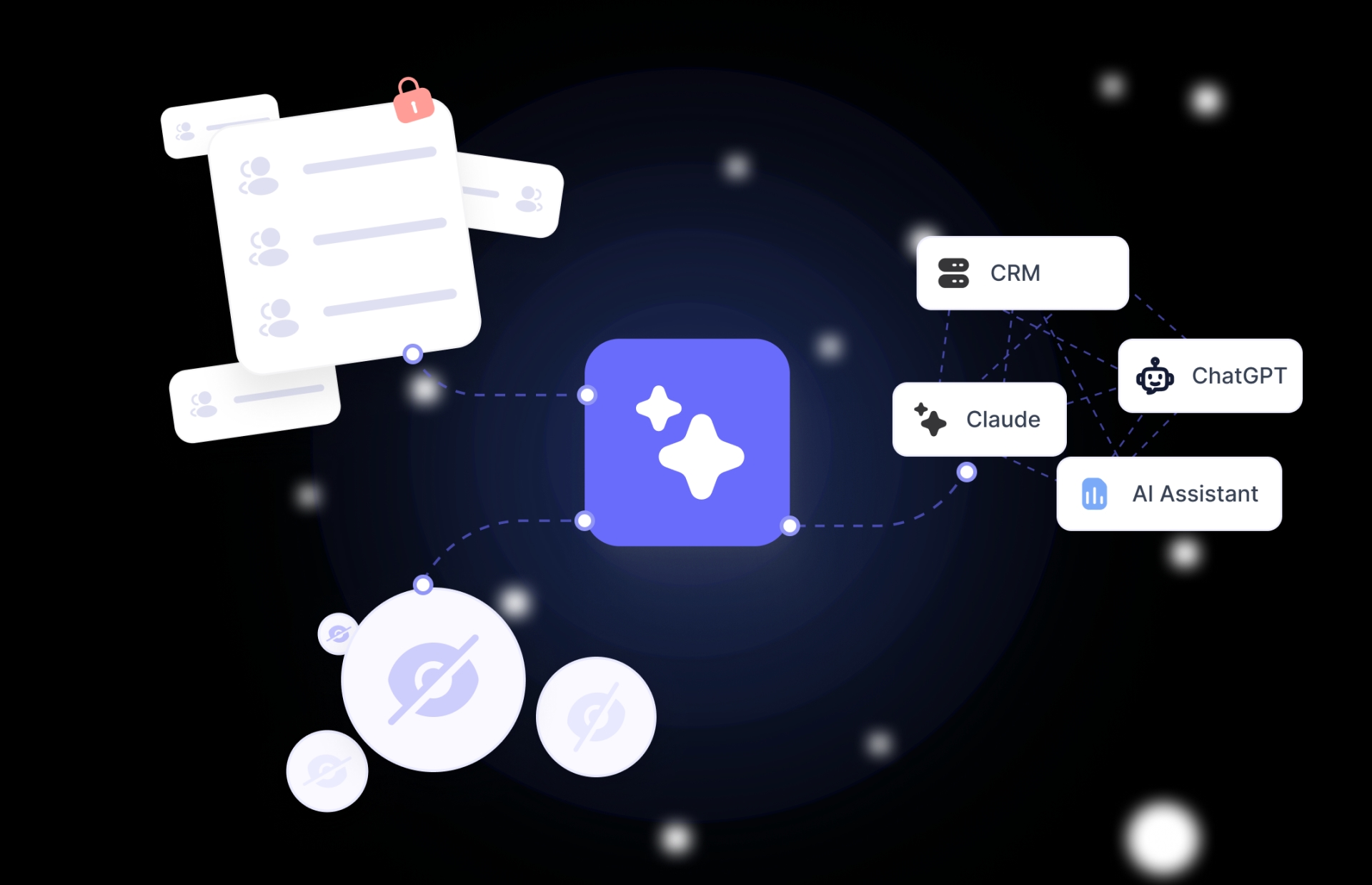
Trusted CRM knowledge made available to multiple AI assistants

Technical Challenge: Creating a unified AI access layer for CRM

The solution required an integration approach that enables different AI assistants to access the same trusted investment context while preserving existing CRM architecture.

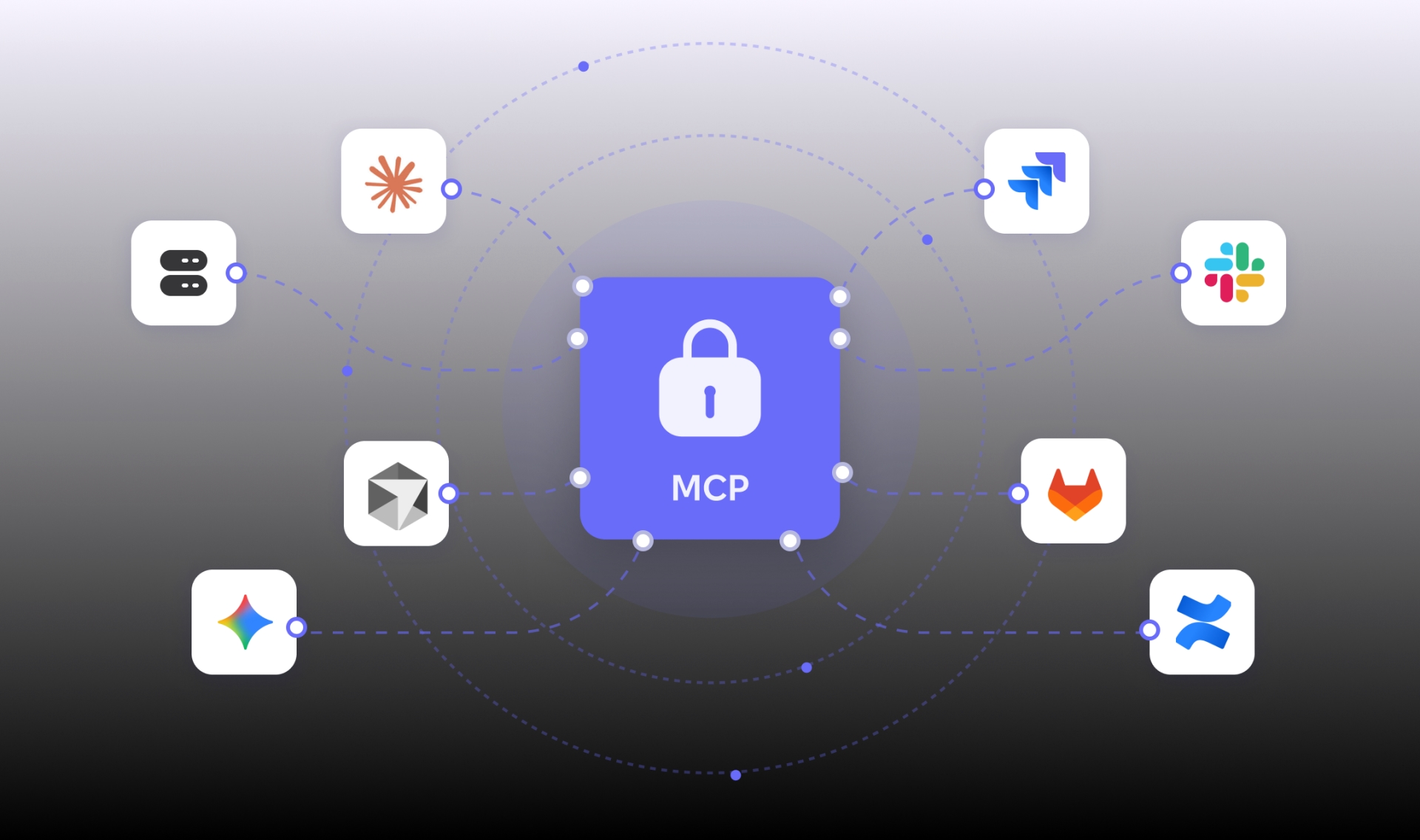
  • Connect multiple AI models through MCP
  • Share consistent context across AI assistants
  • Preserve existing CRM architecture and workflows
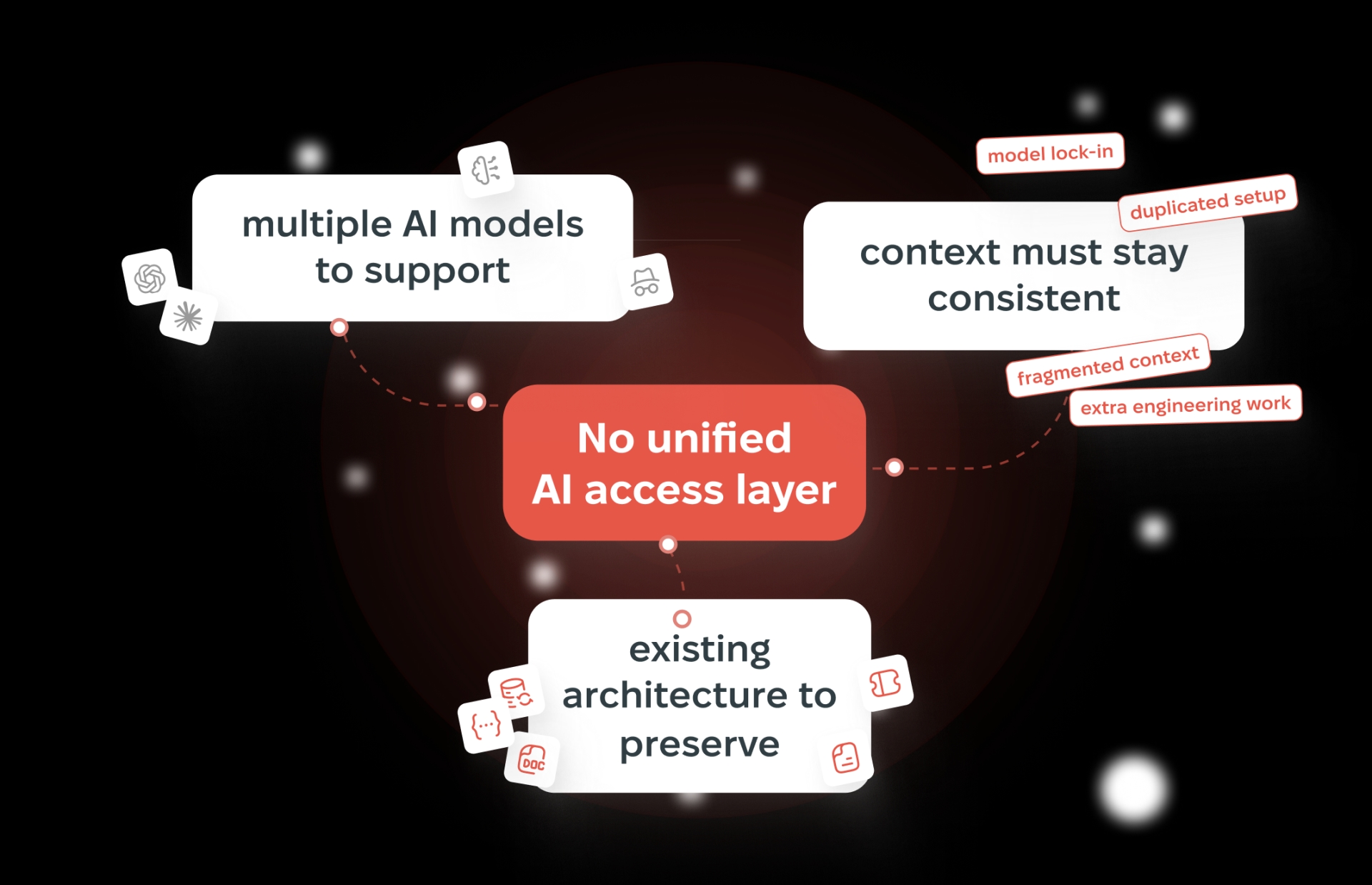
Unified AI access layer connecting multiple AI models to existing CRM architecture

Delivery Challenge: Providing secure AI access across enterprise systems

The implementation required a unified AI access layer that could support multiple AI agents while maintaining enterprise security, privacy, and operational control.

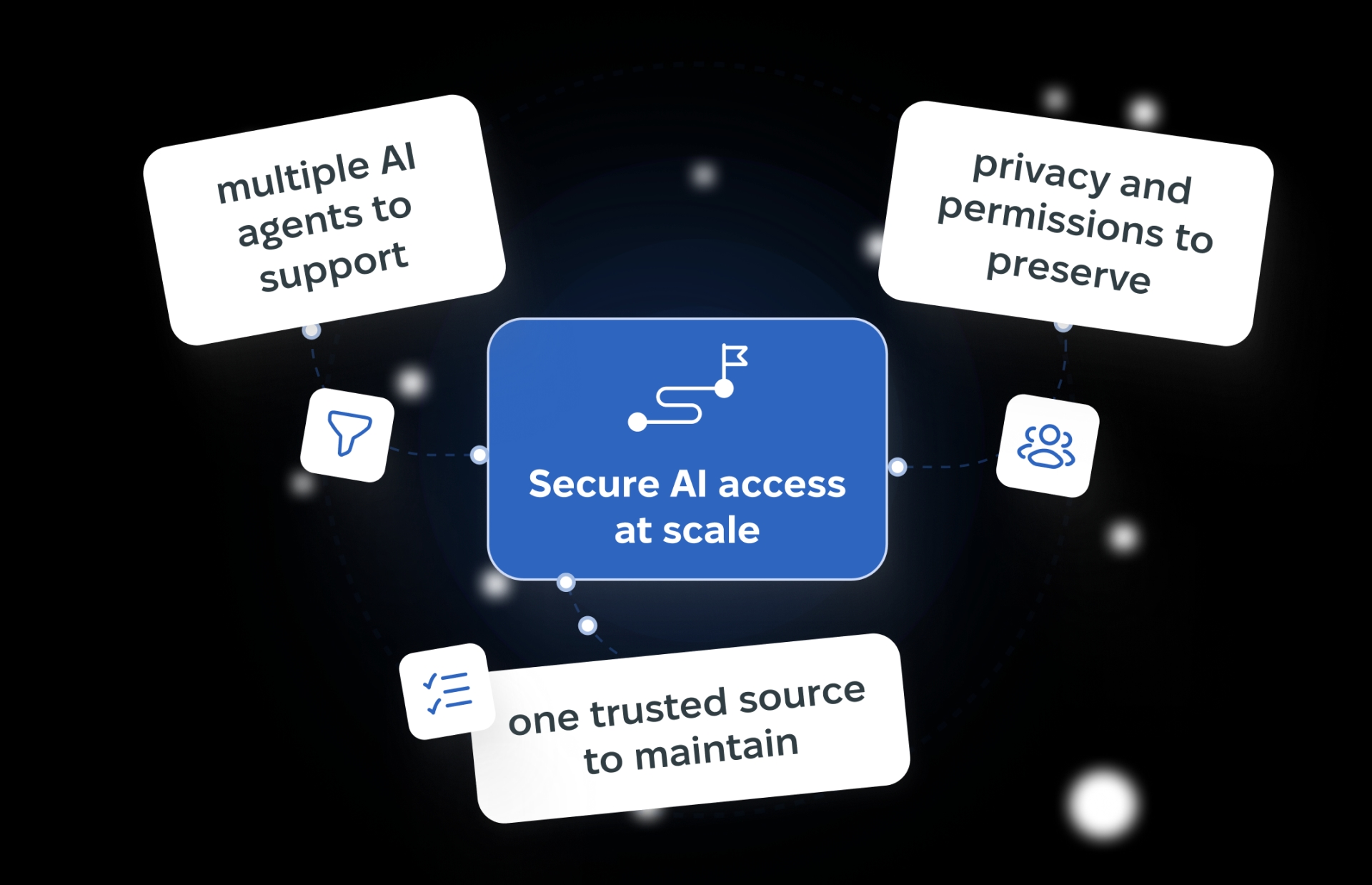
  • Support multiple AI agents through one protocol
  • Preserve enterprise privacy and permissions
  • Maintain one trusted source of data
Secure AI access layer supporting multiple agents with enterprise privacy and permissions

What we did

We extended the AI-powered CRM platform with native MCP support, allowing private equity companies to securely connect their existing CRM with Claude, ChatGPT, and any MCP-compatible AI assistant. The solution is built around a standardized context layer that securely exposes trusted data through one consistent interface.

The solution preserves CRM as a single source of truth for private equity companies while giving every AI assistant access to the same deal activity, portfolio history, interaction records, and IC decisions. This enables FinTech organizations to adopt new AI models without rebuilding existing integrations, keeping business context consistent across AI conversations.

5+

Core investment data sources unified through one context layer

99%

Reduction in custom integration effort for new AI assistants

10,000+

Investment records accessible through unified AI context

100%

Context preserved across AI conversations

Native MCP integration

Connected CRM tools to major MCP endpoints.

  • Exposed secure AI access using one protocol
  • Supported every MCP-compatible AI assistant
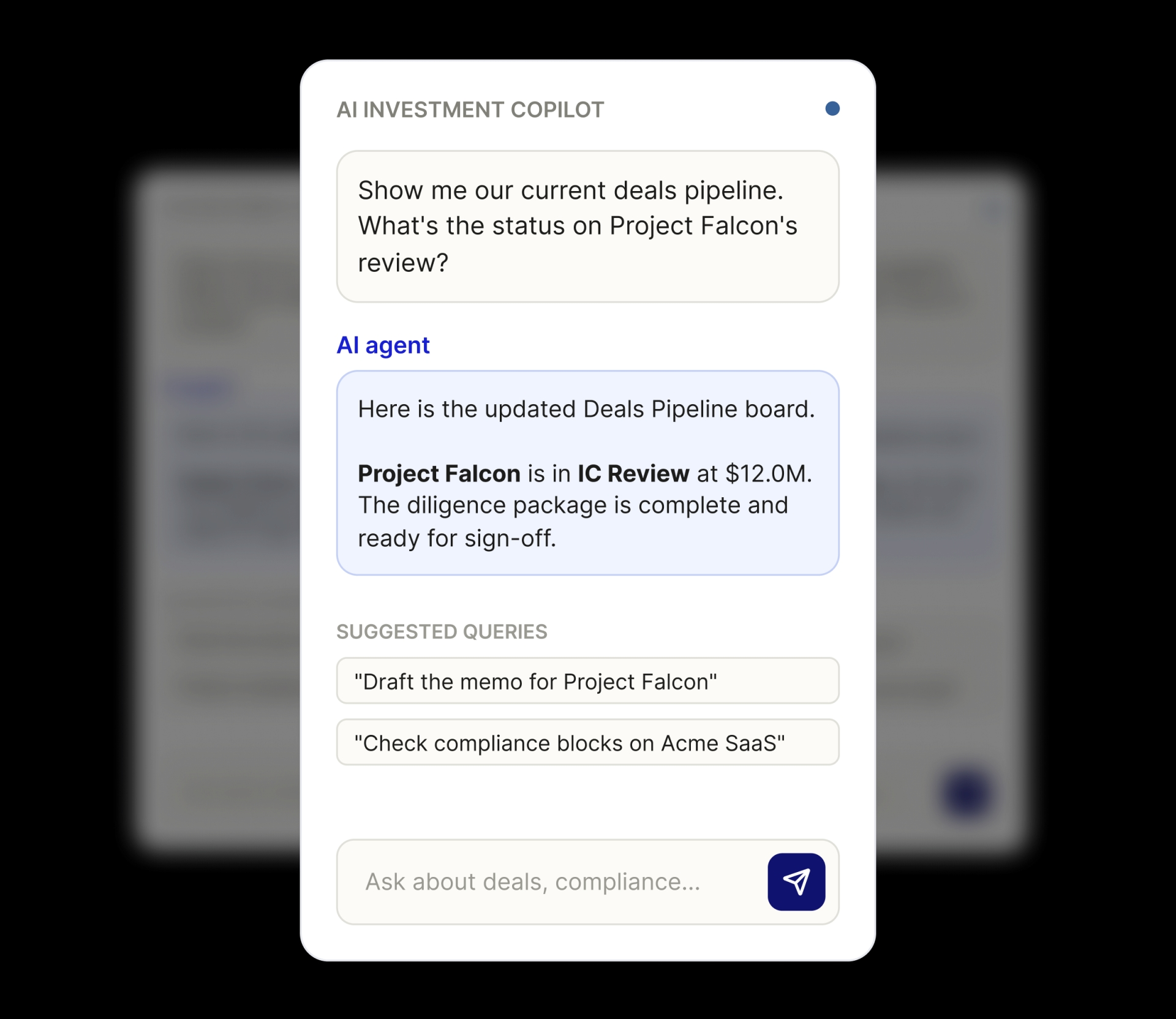
Native MCP integration interface connecting the private equity CRM to AI assistants

Complete investment context

Centralized portfolio and investment information.

  • Included CRM data and interaction history
  • Preserved deal-level knowledge across workflows
  • Returned the complete investment context to AI
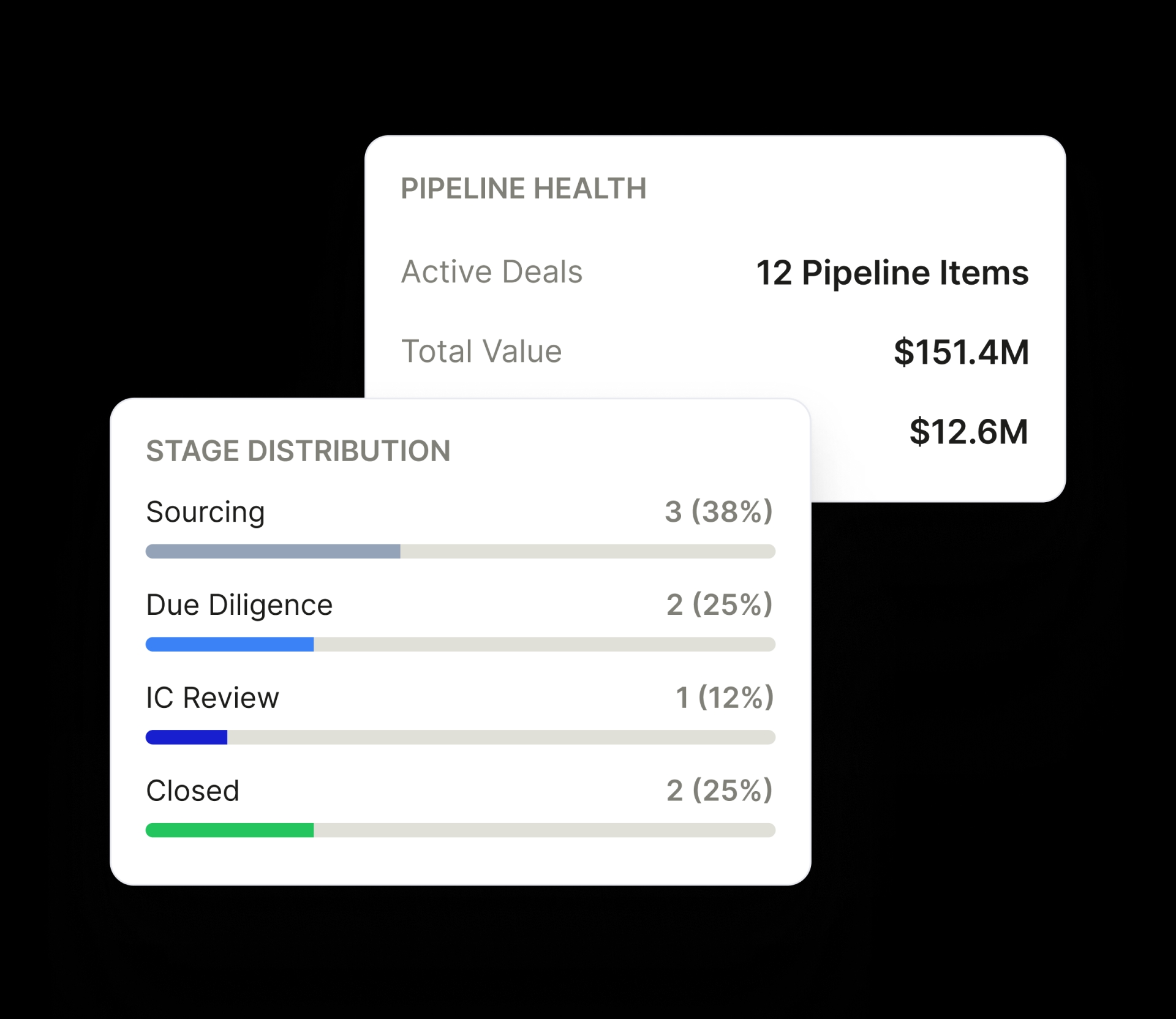
Complete investment context with portfolio metrics and investment records

Unified AI data layer

One data layer for all enterprise AI access.

  • Connected multiple AI models simultaneously
  • Allowed organizations to change AI providers
  • Removed dependency on proprietary integrations
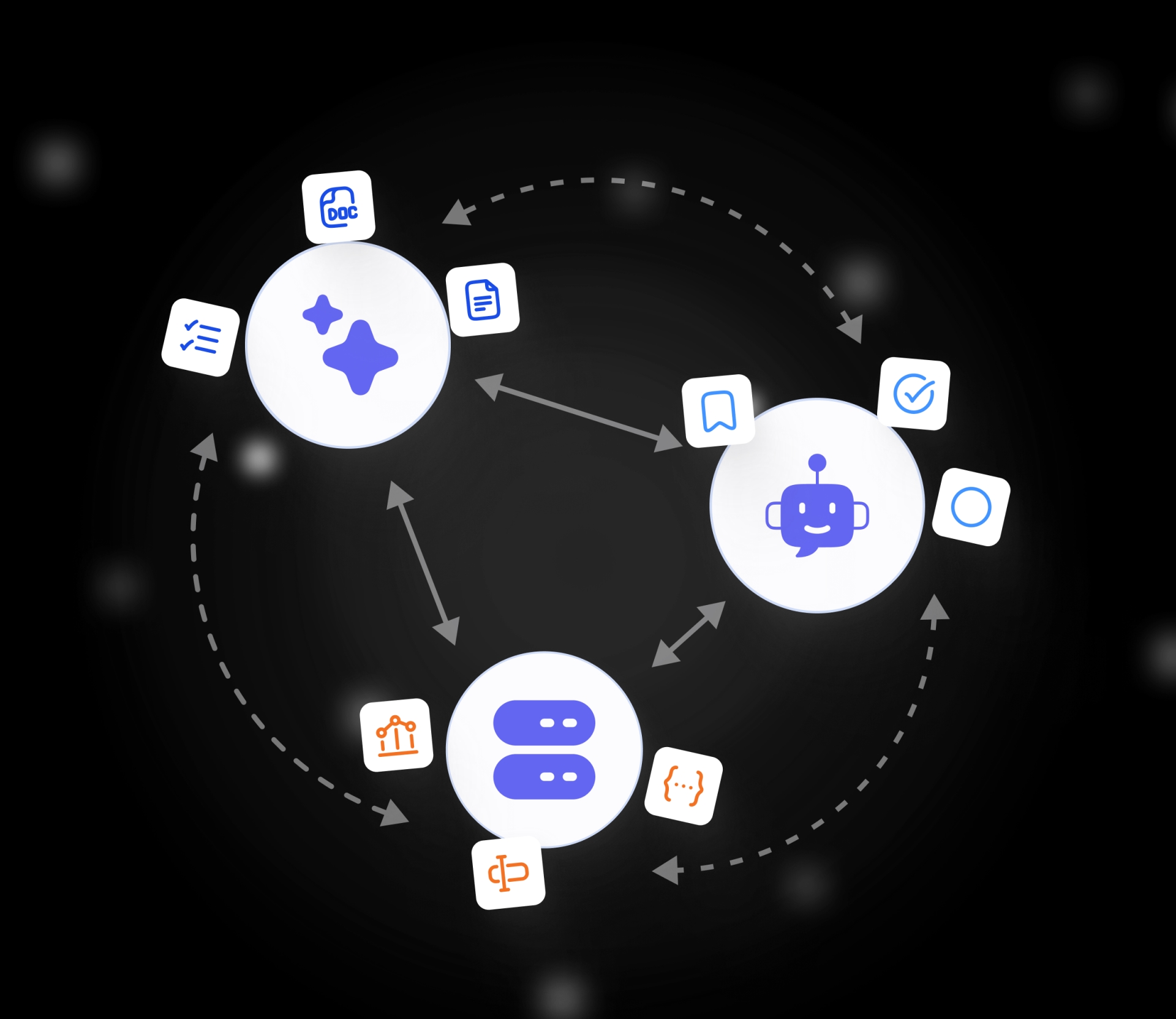
Unified data layer connecting CRM data to multiple AI models

Enterprise security controls

Applied enterprise privacy and access controls.

  • Preserved existing CRM permissions automatically
  • Logged every AI interaction for auditing
  • Supported enterprise MCP security at scale
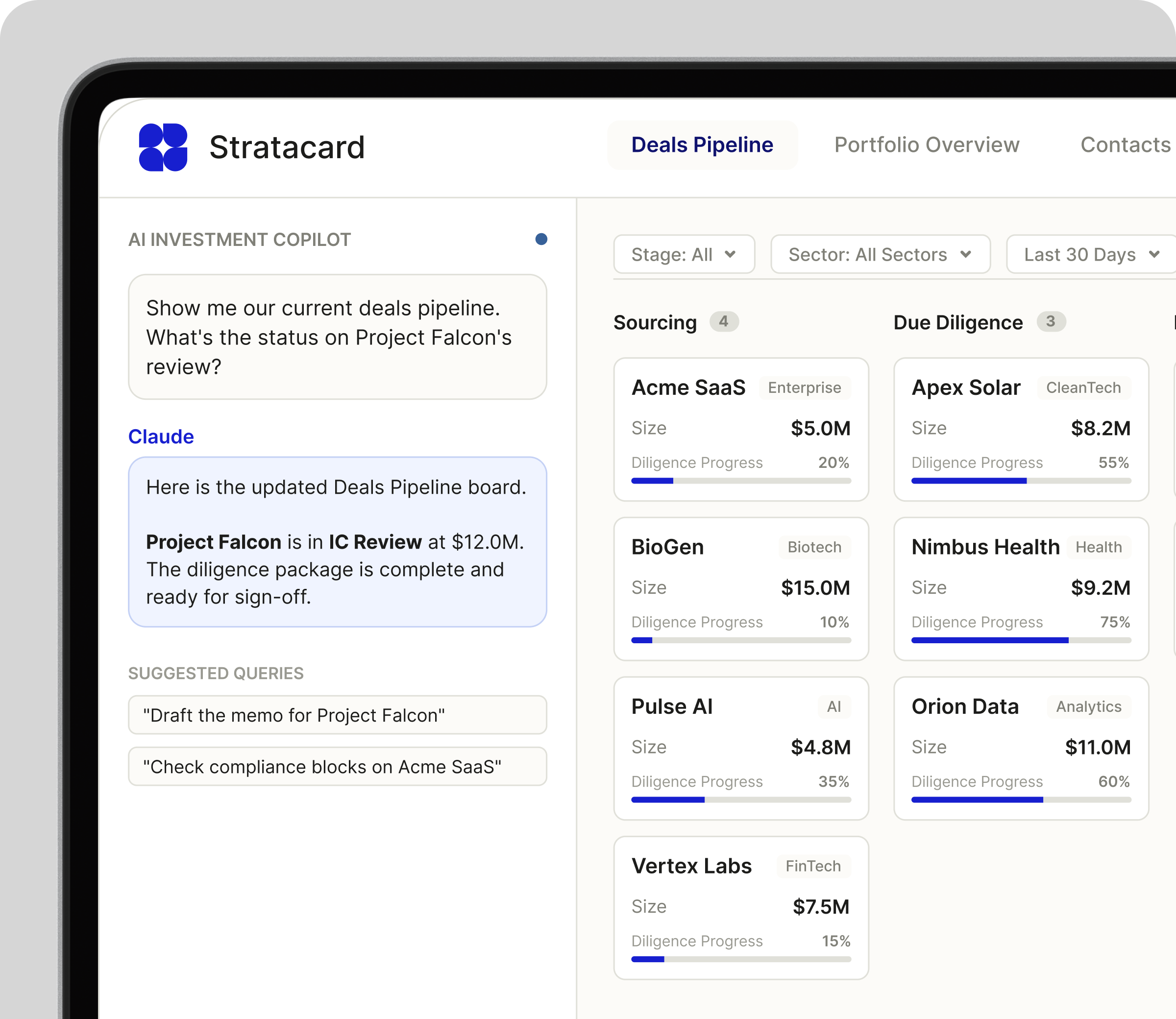
Enterprise security controls for CRM permissions and AI interaction auditing

Key results and business value

MCP making investment context available across multiple AI assistants
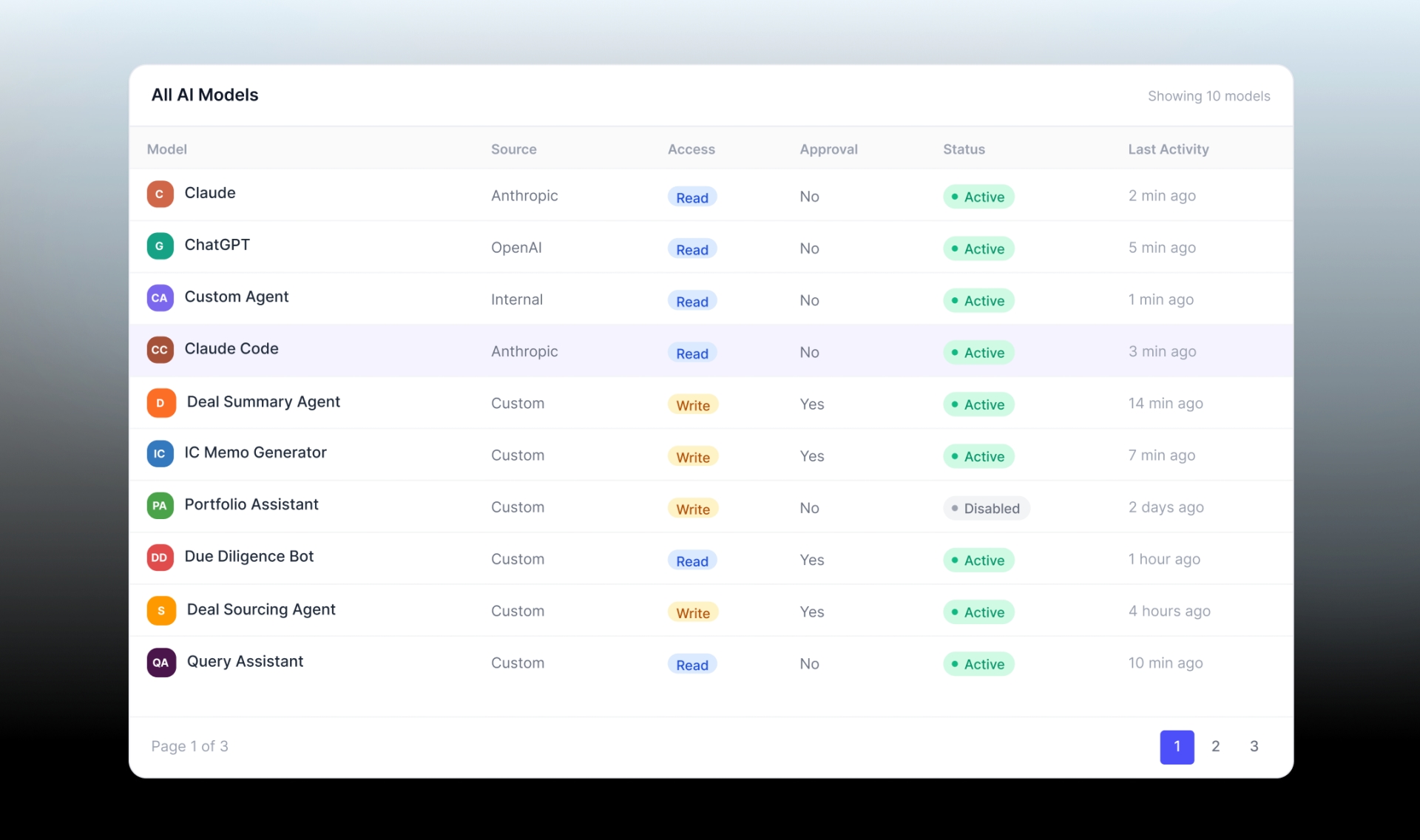
Investment context became available across multiple AI assistants

Model-independent AI access across multiple assistants

Single-model AI workflows transformed into model-independent AI access
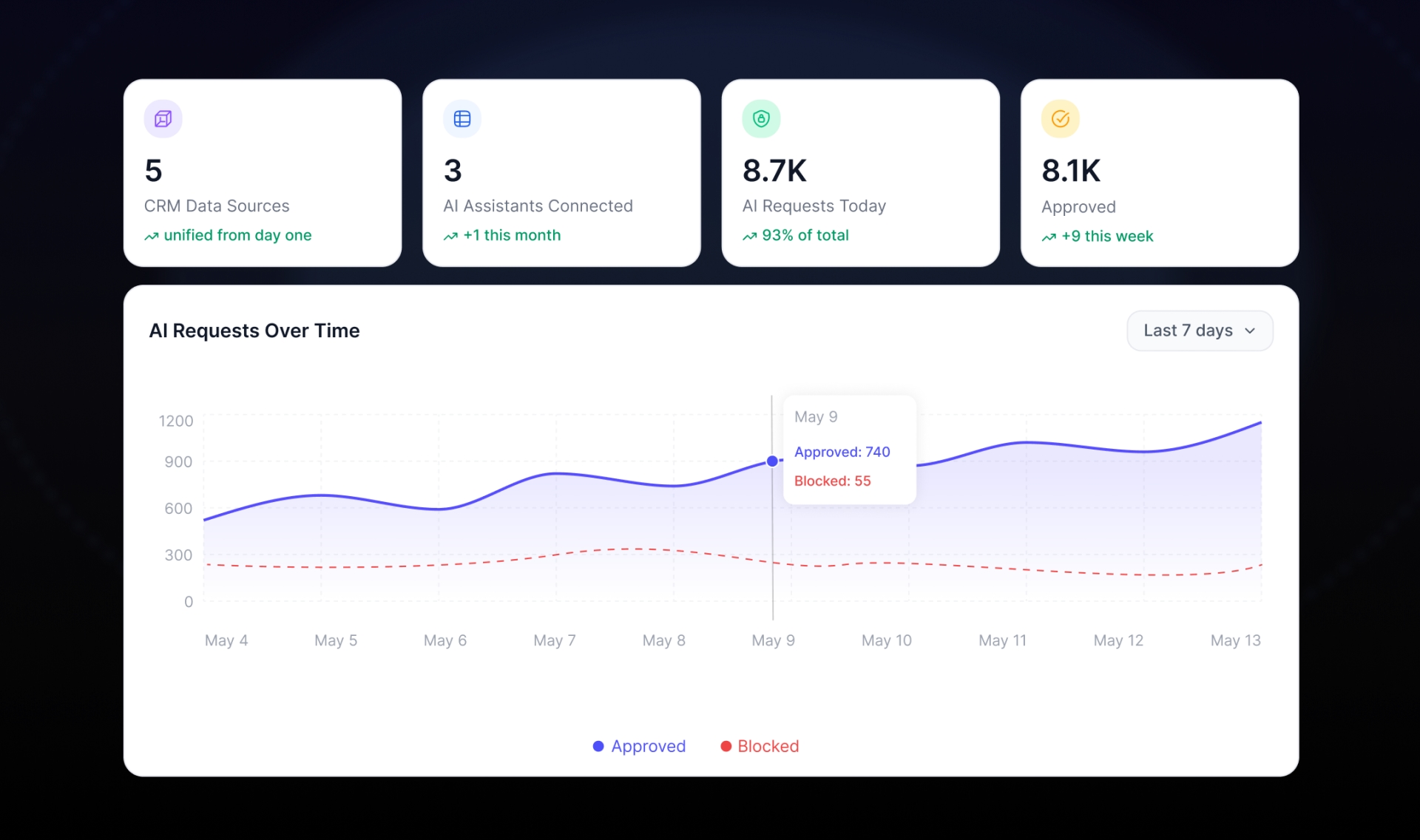
AI adoption analytics dashboard for existing CRM workflows

AI adoption extended without changing existing CRM workflows
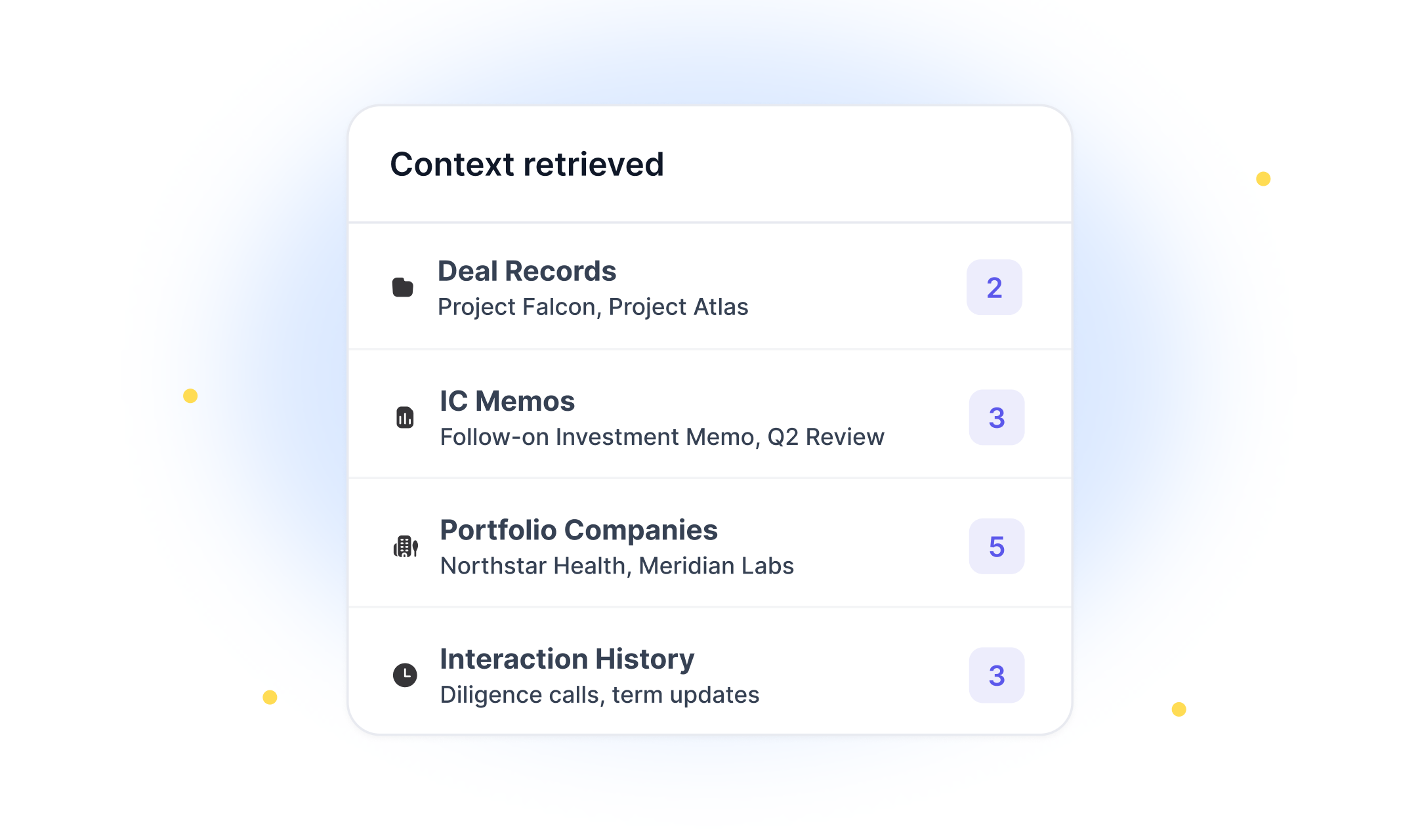
Complete deal context returned for AI-assisted investment decisions

Complete deal context improved AI-assisted decision-making

Features Delivered
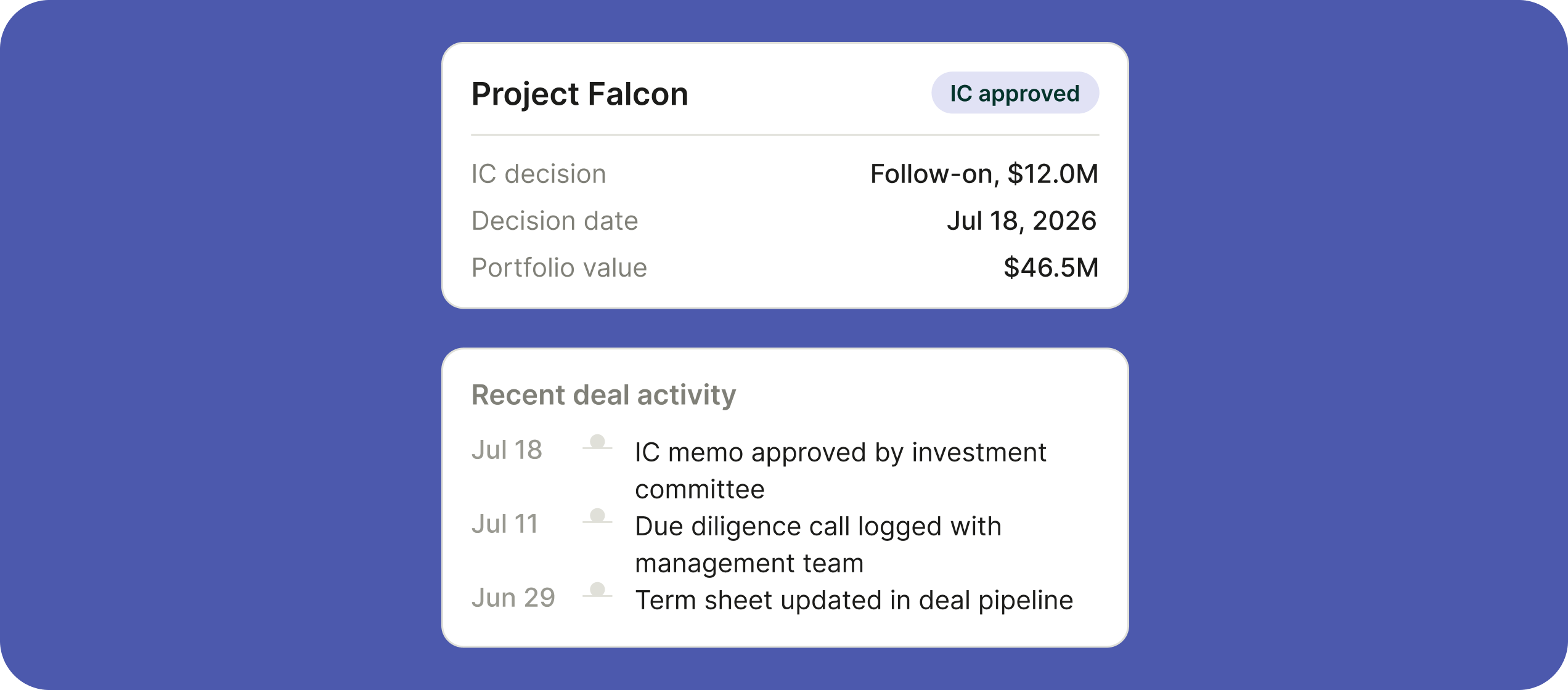
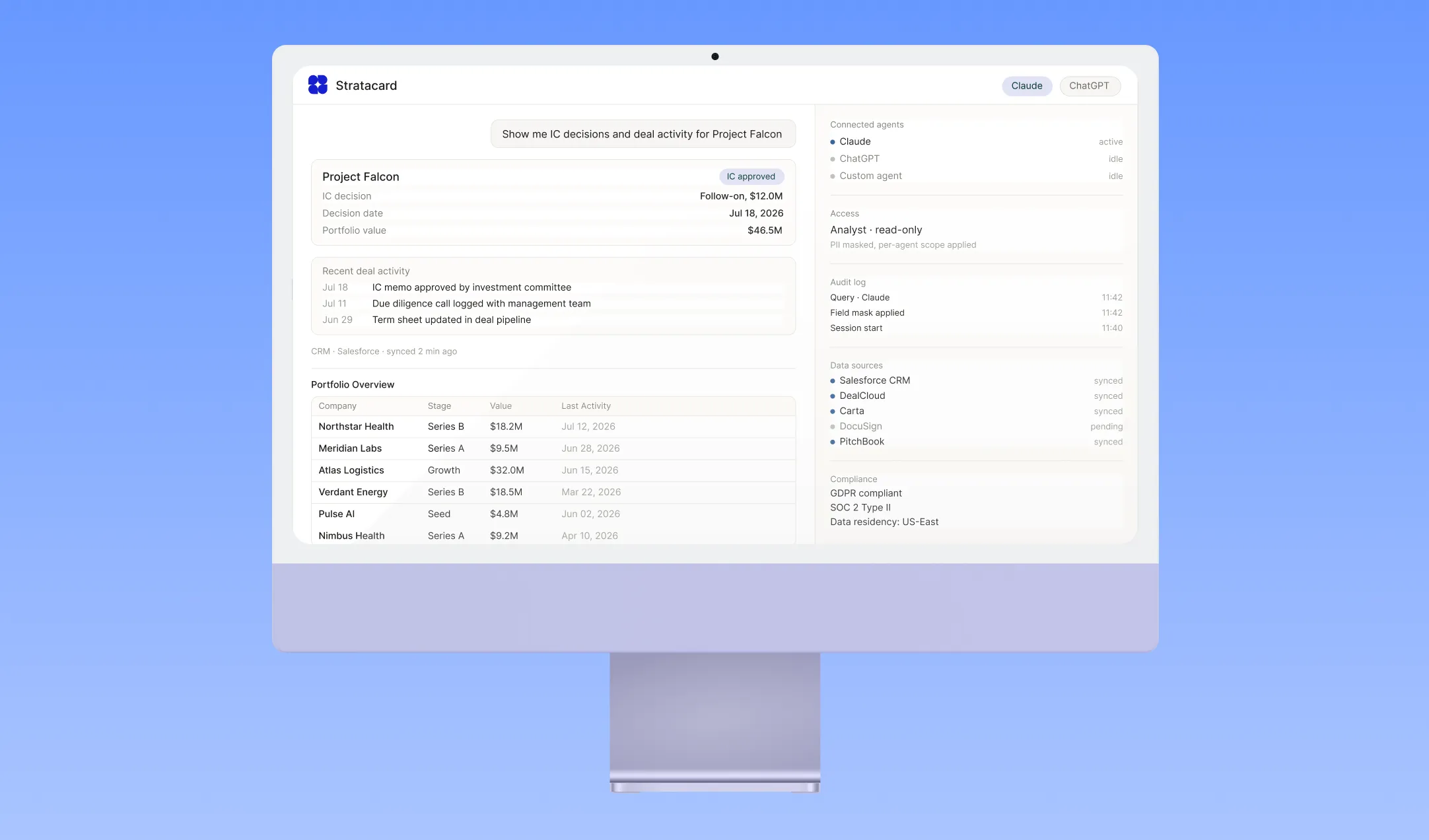
Model Context Protocol interface showing project and recent deal activity

Key capabilities of the Model Context Protocol:

  • Natural-language interaction with CRM
  • Complete investment context in every AI conversation
  • Native support for any MCP-compatible AI agent
  • Open context layer for multiple AI models
  • Enterprise-grade privacy, auditing, and access control
FastMCP logo

FastMCP

Python logo

Python

TypeScript logo

TypeScript

OAuth 2.1 logo

OAuth 2.1

OpenID Connect logo

OIDC

Docker logo

Docker

GitHub logo

GitHub

OpenTelemetry logo

OpenTelemetry

Grafana logo

Grafana

Vault logo

Vault

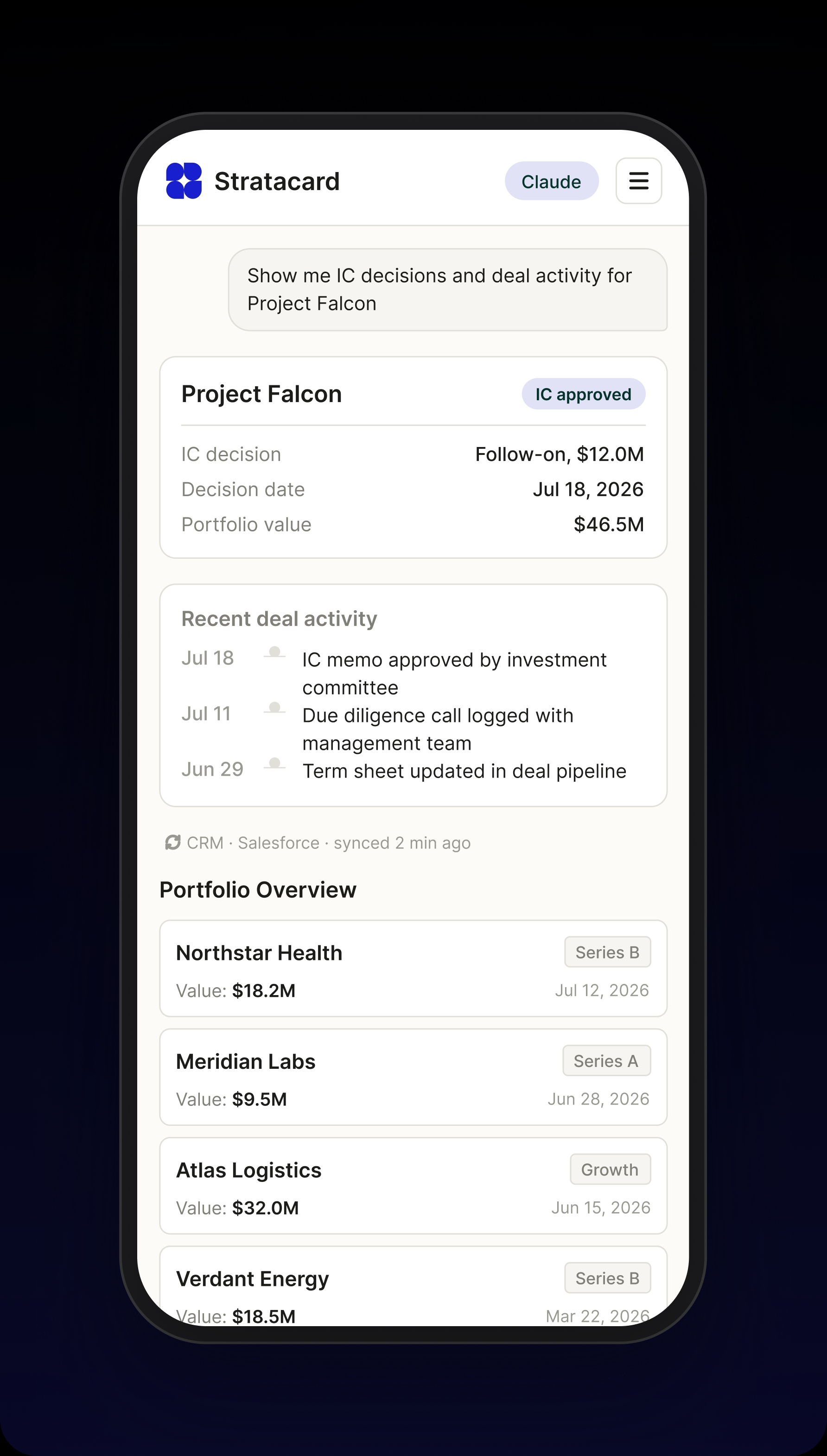
Mobile CRM interface powered by the Model Context Protocol

Technical Highlights

Native MCP endpoint icon

Native MCP endpoint

Implemented a native MCP endpoint that enables secure communication between CRM, multiple AI models, and any MCP-compatible AI agent.

Unified context layer icon

Unified context layer

Built a centralized context layer that combines deal activity, portfolio data, IC decisions, and interaction history into every AI query.

Enterprise access control icon

Enterprise access control

Implemented role-based permissions, data masking, and per-agent scopes to protect sensitive enterprise information.

Unified data layer icon

Unified data layer

Designed an open context layer that keeps CRM as the single source of truth while supporting multiple AI models.

Secure audit framework icon

Secure audit framework

Logged every AI interaction with built-in audit trails, ensuring transparent, reviewable operations.

Standardized connectivity icon

Standardized connectivity

Implemented the MCP to provide a consistent connection between enterprise systems and AI agents.

Native MCP endpoint icon

Native MCP endpoint

Implemented a native MCP endpoint that enables secure communication between CRM, multiple AI models, and any MCP-compatible AI agent.

Unified context layer icon

Unified context layer

Built a centralized context layer that combines deal activity, portfolio data, IC decisions, and interaction history into every AI query.

Enterprise access control icon

Enterprise access control

Implemented role-based permissions, data masking, and per-agent scopes to protect sensitive enterprise information.

Unified data layer icon

Unified data layer

Designed an open context layer that keeps CRM as the single source of truth while supporting multiple AI models.

Secure audit framework icon

Secure audit framework

Logged every AI interaction with built-in audit trails, ensuring transparent, reviewable operations.

Standardized connectivity icon

Standardized connectivity

Implemented the MCP to provide a consistent connection between enterprise systems and AI agents.

Client Feedback

"Clients got a new way to operate with AI, and that's probably the biggest outcome for us. The conversation changed from 'Which AI should I use?' to 'I'll just use the one I need,' because every assistant now works with the same business context"

Chief Technology Officer

Client

Ready to integrate AI into your financial operation?

Let's design, build, and scale AI software tailored to your products, workflows, and requirements.


Related blog posts

‌
Best AI tools for business in 2025
AIUI/UXDevOps

Best AI tools for business in 2025

Artificial intelligence is no longer a futuristic add-on for ambitious companies — it has become an everyday driver of efficiency, insight, and growth. From automating customer support to generating personalized marketing campaigns, AI tools are reshaping the way businesses operate in 2025. With so many options on the market, the real challenge isn’t whether to use AI, but which tool will bring the biggest impact for your business. We’ve gathered five of the most promising AI tools across different business use cases — each with its own strengths, potential pitfalls, and opportunities for smarter growth. 1. Jasper AI – Content generation at scale
‌
Why 95% of GenAI Projects Fail — and How the Right Approach Changes Everything
GenAI

Why 95% of GenAI Projects Fail — and How the Right Approach Changes Everything

A recent MIT report, The GenAI Divide: State of AI in Business 2025, reveals that nearly 95% of generative AI pilots never achieve meaningful production impact. The issue isn’t with the technology itself — it’s in how companies approach it. At YTC, we’ve analyzed these failure points closely and built our process to overcome them. 1. Misalignment with core workflows and business context One of the biggest reasons AI projects fail is poor alignment with actual business operations. Too often, solutions are designed in isolation — impressive from a technical standpoint, but disconnected from how teams truly work. When an AI system doesn’t fit within existing workflows or address real objectives, it becomes a burden instead of an advantage.
‌
Ethical implications of AI consulting for business growth
AI

Ethical implications of AI consulting for business growth

AI is not experimental anymore — it’s shaping how companies innovate, optimize, and grow. As businesses bring AI into their daily operations, they often turn to an AI consulting service to guide them through the process. But AI adoption is not only about efficiency and scale; it also raises questions of trust, responsibility, and impact that cannot be ignored. When advisors step in to help organizations, they don’t just deliver technical roadmaps. They influence how technology affects employees, customers, and entire industries. And with the rapid rise of generative AI consulting, the ethical stakes are becoming higher than ever.
Read all posts

Related blog posts

Read all
‌
Best AI tools for business in 2025
AIUI/UXDevOps

Best AI tools for business in 2025

Artificial intelligence is no longer a futuristic add-on for ambitious companies — it has become an everyday driver of efficiency, insight, and growth. From automating customer support to generating personalized marketing campaigns, AI tools are reshaping the way businesses operate in 2025. With so many options on the market, the real challenge isn’t whether to use AI, but which tool will bring the biggest impact for your business. We’ve gathered five of the most promising AI tools across different business use cases — each with its own strengths, potential pitfalls, and opportunities for smarter growth. 1. Jasper AI – Content generation at scale
‌
Why 95% of GenAI Projects Fail — and How the Right Approach Changes Everything
GenAI

Why 95% of GenAI Projects Fail — and How the Right Approach Changes Everything

A recent MIT report, The GenAI Divide: State of AI in Business 2025, reveals that nearly 95% of generative AI pilots never achieve meaningful production impact. The issue isn’t with the technology itself — it’s in how companies approach it. At YTC, we’ve analyzed these failure points closely and built our process to overcome them. 1. Misalignment with core workflows and business context One of the biggest reasons AI projects fail is poor alignment with actual business operations. Too often, solutions are designed in isolation — impressive from a technical standpoint, but disconnected from how teams truly work. When an AI system doesn’t fit within existing workflows or address real objectives, it becomes a burden instead of an advantage.
‌
Ethical implications of AI consulting for business growth
AI

Ethical implications of AI consulting for business growth

AI is not experimental anymore — it’s shaping how companies innovate, optimize, and grow. As businesses bring AI into their daily operations, they often turn to an AI consulting service to guide them through the process. But AI adoption is not only about efficiency and scale; it also raises questions of trust, responsibility, and impact that cannot be ignored. When advisors step in to help organizations, they don’t just deliver technical roadmaps. They influence how technology affects employees, customers, and entire industries. And with the rapid rise of generative AI consulting, the ethical stakes are becoming higher than ever.

Related blog posts

‌
Best AI tools for business in 2025
AIUI/UXDevOps

Best AI tools for business in 2025

Artificial intelligence is no longer a futuristic add-on for ambitious companies — it has become an everyday driver of efficiency, insight, and growth. From automating customer support to generating personalized marketing campaigns, AI tools are reshaping the way businesses operate in 2025. With so many options on the market, the real challenge isn’t whether to use AI, but which tool will bring the biggest impact for your business. We’ve gathered five of the most promising AI tools across different business use cases — each with its own strengths, potential pitfalls, and opportunities for smarter growth. 1. Jasper AI – Content generation at scale
‌
Why 95% of GenAI Projects Fail — and How the Right Approach Changes Everything
GenAI

Why 95% of GenAI Projects Fail — and How the Right Approach Changes Everything

A recent MIT report, The GenAI Divide: State of AI in Business 2025, reveals that nearly 95% of generative AI pilots never achieve meaningful production impact. The issue isn’t with the technology itself — it’s in how companies approach it. At YTC, we’ve analyzed these failure points closely and built our process to overcome them. 1. Misalignment with core workflows and business context One of the biggest reasons AI projects fail is poor alignment with actual business operations. Too often, solutions are designed in isolation — impressive from a technical standpoint, but disconnected from how teams truly work. When an AI system doesn’t fit within existing workflows or address real objectives, it becomes a burden instead of an advantage.
‌
Ethical implications of AI consulting for business growth
AI

Ethical implications of AI consulting for business growth

AI is not experimental anymore — it’s shaping how companies innovate, optimize, and grow. As businesses bring AI into their daily operations, they often turn to an AI consulting service to guide them through the process. But AI adoption is not only about efficiency and scale; it also raises questions of trust, responsibility, and impact that cannot be ignored. When advisors step in to help organizations, they don’t just deliver technical roadmaps. They influence how technology affects employees, customers, and entire industries. And with the rapid rise of generative AI consulting, the ethical stakes are becoming higher than ever.
Read all posts
Logo YTC

We design and build AI-powered software. Strategy first. Same team end-to-end.

Your Technical Companion. All rights reserved. 2026

Contact Us

Email: sales@ytc.company

Location: Kyiv/Ukraine

Industries

FinTechInsurTechEdTechAdTechMarTechMediaTech

Services

AI Product StrategyData EngineeringAI AuditAI Cost OptimisationAI Team AugmentationAI Due DiligenceAI Software Implementation

Company

AboutCase StudiesHelp CenterContact
Privacy PolicyTerms of Service

Contact Us

Email: sales@ytc.company

Location: Kyiv/Ukraine

Privacy PolicyTerms of Service

© 2026, YTC - Your Technical Companion All Rights Reserved